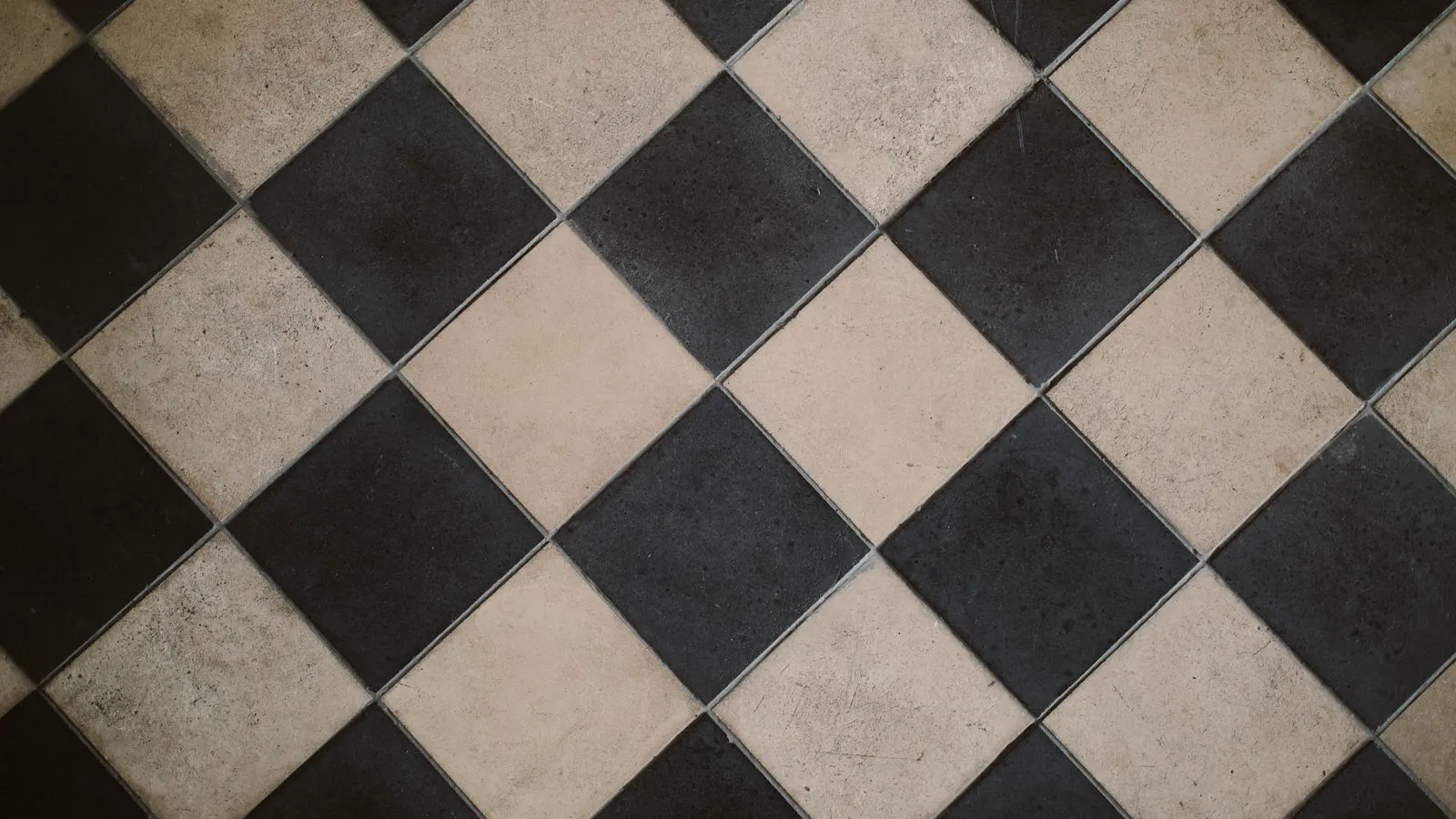
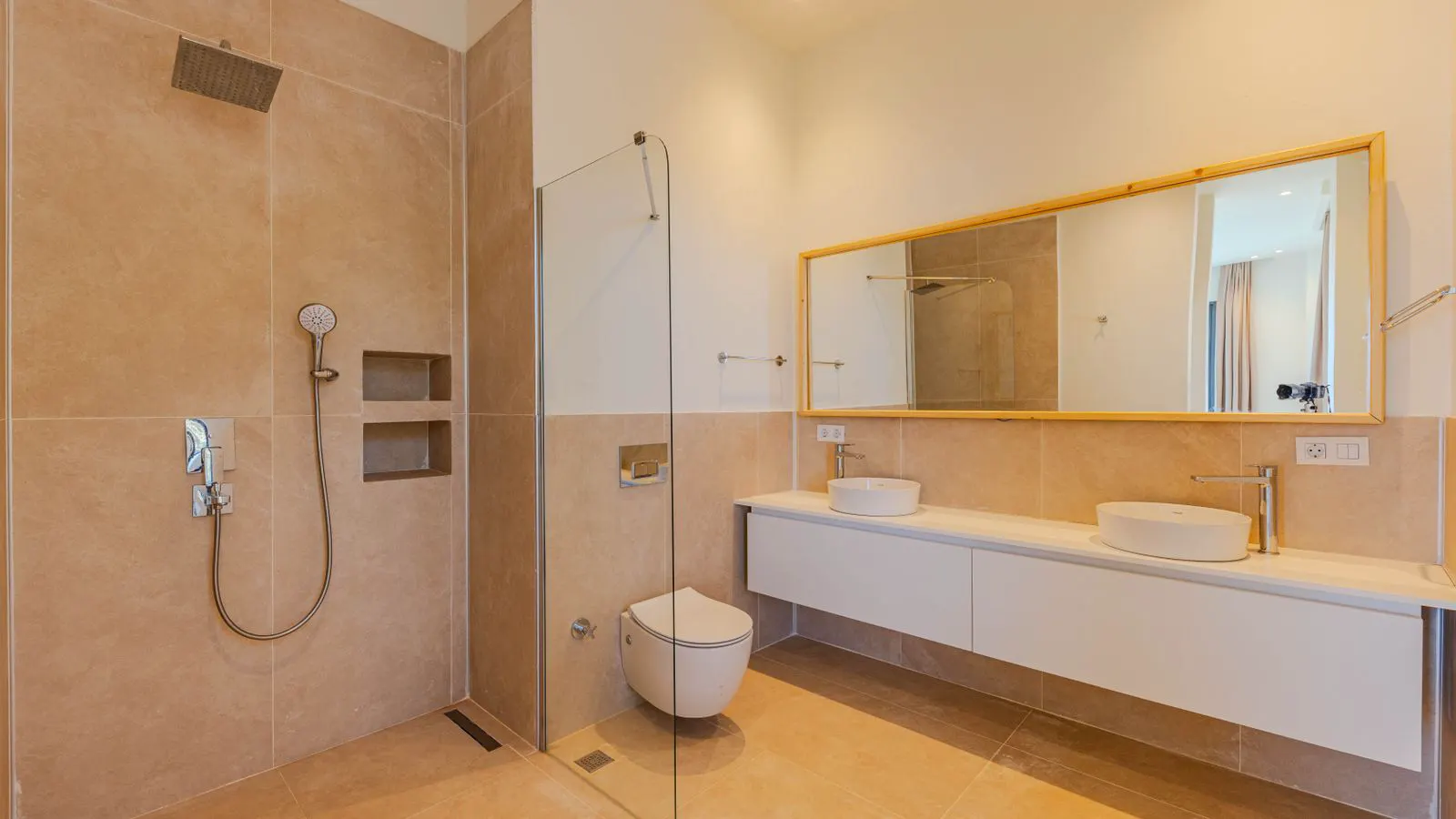
Porcelain Glaze Types: Matte, Gloss, and Anti-Slip Options Explained
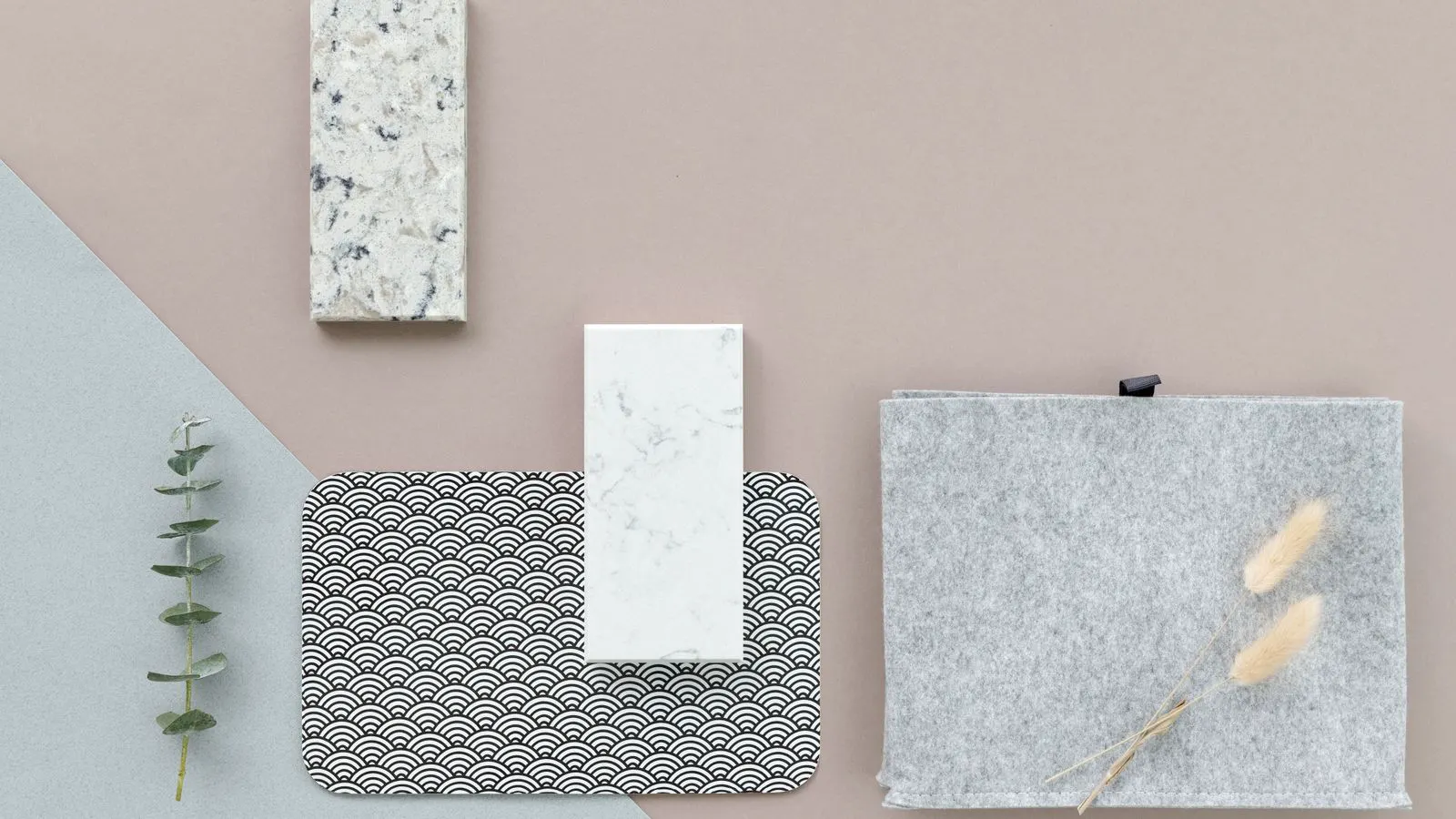
Porcelain glaze options define the surface texture and safety profile of a tile. Matte finishes hide wear, gloss finishes enhance color, and anti-slip options improve traction. Understanding these differences helps specify tiles for both aesthetics and functional safety requirements.
- Matte glazes hide scratches and dust, making them suitable for busy commercial areas.
- Gloss glazes provide high reflectivity and vibrant color but require more frequent cleaning.
- Anti-slip glazes alter surface texture to increase coefficient of friction, meeting specific safety standards.
- Sourcing decisions must balance aesthetic goals with maintenance and safety requirements.
- Sample testing and site-specific inspection are required to verify finish performance.
How Glaze Finish Changes the Visual Output
The glaze finish dictates how light interacts with the porcelain surface. A matte finish diffuses light, reducing glare and softening the overall appearance. A gloss finish reflects light sharply, which can amplify color saturation and create a polished look. Anti-slip finishes modify the surface micro-texture to increase friction, often at the cost of some visual smoothness.
When specifying porcelain tiles, the glaze finish is a primary driver of the finished look. A glossy glaze on a light-colored tile can make a small room feel larger due to reflection. A matte glaze on a dark tile can feel heavier and more textured. The choice depends on the lighting design and the desired spatial effect.
Matte Glaze: Durability and Low Maintenance
Matte glazes are engineered to minimize the visibility of wear marks. Scratches, dust, and minor scuffs are less noticeable on a low-sheen surface because there is no sharp reflection to highlight imperfections. This characteristic makes matte finishes popular in commercial corridors, hospital floors, and residential kitchens where foot traffic is high.
The trade-off is maintenance. While matte tiles hide dirt well, they can be harder to clean. Stains or spills may penetrate the surface slightly if the glaze is not fully vitrified. Regular sealing or the use of a high-quality grout is often necessary to maintain the appearance.
Matte glazes are also forgiving regarding installation. Minor variations in tile alignment or grout line consistency are less apparent because the surface does not create sharp light reflections. This reduces the visual impact of imperfect installation techniques.
Gloss Glaze: Color Intensity and Aesthetic Impact
Gloss glazes provide a high level of reflectivity. This finish is chosen when the project priority is visual impact and color vibrancy. A glossy glaze enhances the depth of color, making patterns and designs stand out. It is commonly used in residential bathrooms, hotel lobbies, and display areas where the aesthetic presentation is paramount.
The maintenance requirements for gloss glazes are higher. Dust, water spots, and cleaning residue are highly visible on a reflective surface. Daily cleaning is necessary to maintain the polished appearance. In high-traffic areas, the constant foot traffic can create a dull sheen over time, requiring periodic re-polishing or replacement.
Gloss glazes are sensitive to lighting. Harsh direct lighting can create glare, which may be uncomfortable for occupants. Indirect or diffused lighting works better with glossy surfaces. The lighting design must be coordinated with the glaze finish selection.
Anti-Slip Glaze: Safety and Functional Performance
Anti-slip glazes are developed to improve traction on the tile surface. They often incorporate fine aggregates or textured patterns into the glaze composition. This increases the coefficient of friction, reducing the risk of slipping, especially in wet conditions.
The selection of anti-slip glazes is driven by safety codes and site conditions. Commercial kitchens, pool decks, and wet areas typically require a minimum slip resistance rating. The glaze finish must be tested in accordance with recognized standards to verify performance.
Anti-slip glazes can affect the visual aesthetic. The textured surface may reduce the clarity of detailed patterns or color gradients. It can also be more difficult to clean, as debris can lodge in the texture. However, the safety benefit often outweighs the aesthetic compromise in functional areas.
Sourcing Considerations for Different Finishes
Sourcing porcelain tiles with specific glaze finishes requires attention to production consistency. Matte and gloss glazes are applied using different glaze compositions and firing schedules. Anti-slip glazes often involve additional processing steps to embed texture.
Lead times can vary based on the complexity of the glaze finish. Standard gloss and matte finishes are often available in large stock quantities. Custom or textured anti-slip glazes may have longer production and shipping times. This must be factored into the project schedule.
When ordering samples, request multiple batches from the same glaze lot. Glaze finish can vary slightly between batches due to production fluctuations. Visual inspection of samples under the actual project lighting conditions is essential to confirm the expected appearance.
Practical Example: Selecting a Floor for a Commercial Kitchen
Consider a commercial kitchen project. The floor area is subject to constant water spills, heavy foot traffic, and the need for easy cleaning. A gloss glaze would reflect the overhead lighting and create glare, making it difficult to see puddles. It would also show every drop of water and dust, requiring constant wiping.
A matte glaze would hide the spills better and reduce glare. However, it might not provide sufficient traction for staff moving quickly with wet feet. An anti-slip glaze offers the highest level of safety. The textured surface prevents slipping, and the finish is designed to withstand the harsh cleaning chemicals used in commercial kitchens.
In this scenario, the anti-slip glaze is the most appropriate choice. The visual impact of the texture is acceptable in a functional area where safety and durability are the primary concerns. The sourcing team must verify the slip rating and confirm that the glaze is compatible with the cleaning agents used on site.
| Glaze Finish | Visual Effect | Maintenance Level | Safety Performance | Typical Application |
|---|---|---|---|---|
| Matte | Soft, low reflection | Moderate | Low to Medium | Corridors, Offices |
| Gloss | High reflection, vibrant | High | Low | Bathrooms, Lobbies |
| Anti-Slip | Textured, varied | High | High | Kitchens, Pool Decks |
| Satin | Medium reflection | Low to Moderate | Medium | Residential Floors |
| Rough | Heavy texture | Very High | Very High | Exterior Walkways |
Verifying Performance Before Installation
Before committing to a specific glaze finish, conduct a physical test. Install a sample tile in a small area of the project site. Expose it to the actual lighting conditions and typical foot traffic. After a period of use, inspect the surface for wear, staining, or loss of finish.
Check the coefficient of friction for anti-slip options. Request test reports from the manufacturer that verify the performance under wet and dry conditions. Ensure the report aligns with the safety standards required for the specific project type.
Communicate the glaze finish requirements clearly in the procurement documents. Specify the finish type, the coefficient of friction, and any visual acceptance criteria. This reduces the risk of receiving tiles that do not match the design intent.
Common Errors in Glaze Selection
A frequent mistake is choosing a gloss glaze for a high-traffic area without considering the maintenance burden. The reflective surface becomes dull quickly, and the effort to restore the finish can be significant. This leads to dissatisfaction with the final appearance.
Another error is neglecting the interaction between glaze and lighting. A matte glaze in a dark room can feel oppressive. A gloss glaze in a bright room can cause glare. The lighting design must be reviewed alongside the glaze selection.
Ignoring the cleaning protocol is another common oversight. Different glaze finishes require different cleaning methods. A gloss finish may require a specific type of cleaner to prevent streaking. An anti-slip finish may require a softer brush to avoid damaging the texture.
The glaze finish is a critical component of the tile specification. It influences safety, maintenance, and aesthetic outcomes. By understanding the properties of each finish and testing samples in situ, project managers can make informed decisions that align with both design goals and functional requirements.
Final Thoughts on Glaze Options
The choice between matte, gloss, and anti-slip glazes depends on the specific needs of the project. There is no single “best” finish. The right choice balances visual appeal, safety, and maintenance.
Review the project requirements carefully. Identify the traffic levels, environmental conditions, and desired aesthetic. Select a glaze finish that addresses these factors. Test samples to confirm performance.
By taking a systematic approach to glaze selection, you ensure that the final installation meets both the design vision and the practical demands of the space.
Frequently asked questions
Which glaze finish is best for high-traffic commercial floors?
Matte or anti-slip glazes are generally preferred for high-traffic areas. They hide wear and provide better traction than gloss finishes.
Can gloss glazes be used in bathrooms?
Yes, gloss glazes are commonly used in bathrooms for their vibrant appearance. However, they require regular cleaning to prevent water spots and maintain the sheen.
How do I verify the slip resistance of an anti-slip glaze?
Request test reports from the manufacturer that verify the coefficient of friction under wet and dry conditions. Ensure the results meet the safety standards for the specific application.
Is it possible to mix different glaze finishes in the same project?
Yes, it is possible to mix finishes for design effect. However, ensure that the maintenance requirements for each finish are compatible and that the visual transition is intentional.
How long does a matte glaze last compared to a gloss glaze?
Matte glazes often appear to last longer because they hide minor scratches and wear. Gloss glazes show wear more quickly but can be polished to restore the original sheen.