
Quality Grades
Checklist for Verifying Tile Grade Against EN 13813
Verify tile grade by matching delivered goods to the contract specification. Check visual defects, dimensions, and mechanical properties against EN 13813 limits.
Clear explanations of A, B, and C grades for ceramic tiles, including defect limits and where each grade is suitable.
Verify tile grade by matching delivered goods to the contract specification. Check visual defects, dimensions, and mechanical properties against EN 13813 limits.
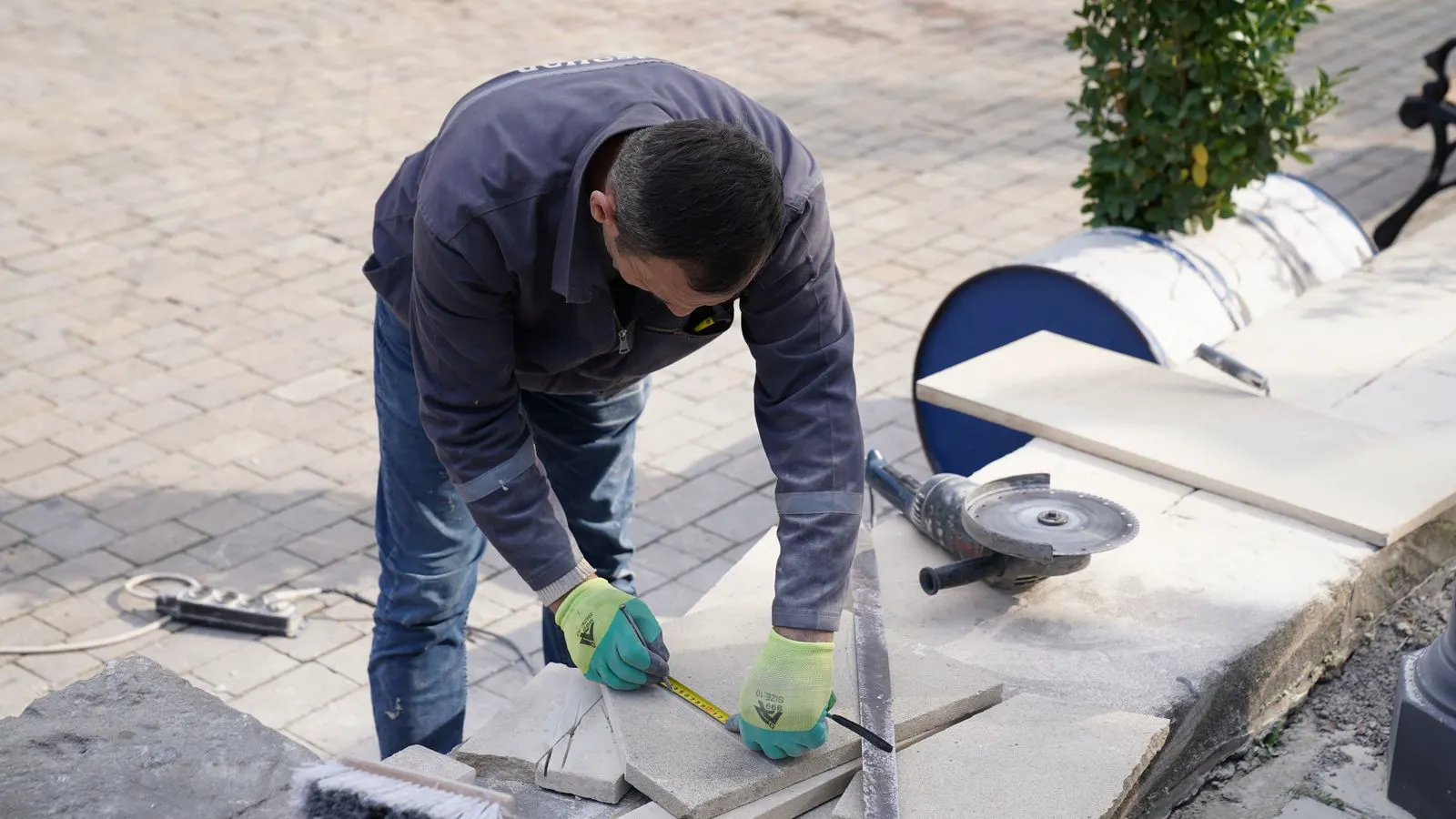
Rejecting grade A tiles requires measuring against strict thresholds for surface flaws, edge breaks, and dimensional variance. This guide outlines the specific defect
Correcting tile defects in Grade B installations requires targeted repairs rather than full replacement. This guide covers common surface imperfections, inspection
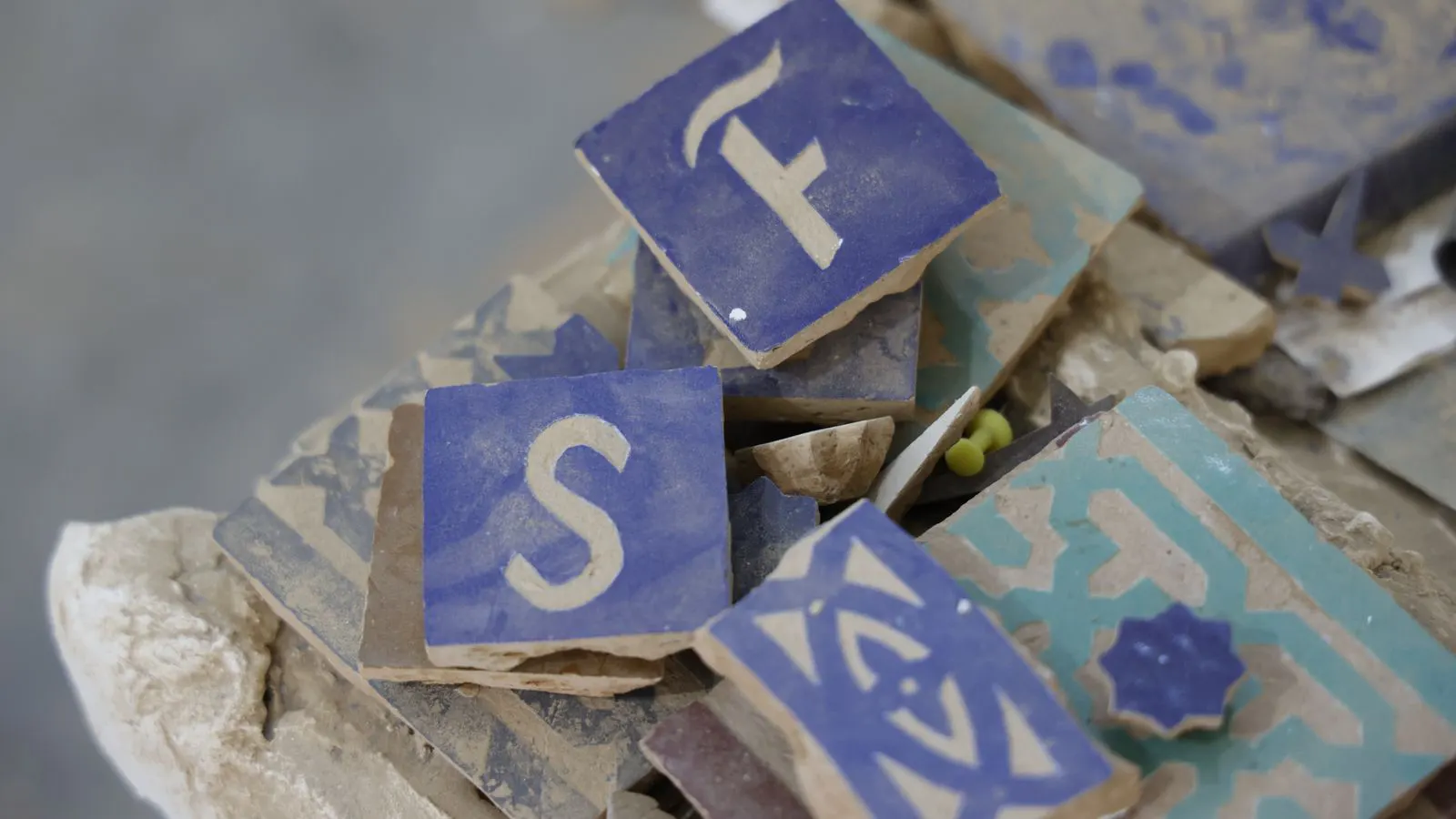
Future tile quality grading will focus on digital traceability, tighter dimensional tolerances, and clearer communication of surface defects. Buyers should prepare by

This guide explains how procurement teams can evaluate Grade A porcelain tiles. It covers visual checks, documentation, and grading standards to secure consistent

Importers need a clear list of flaws to check against before accepting ceramic tile shipments. This audit checklist covers surface, edge, size, and color defects with
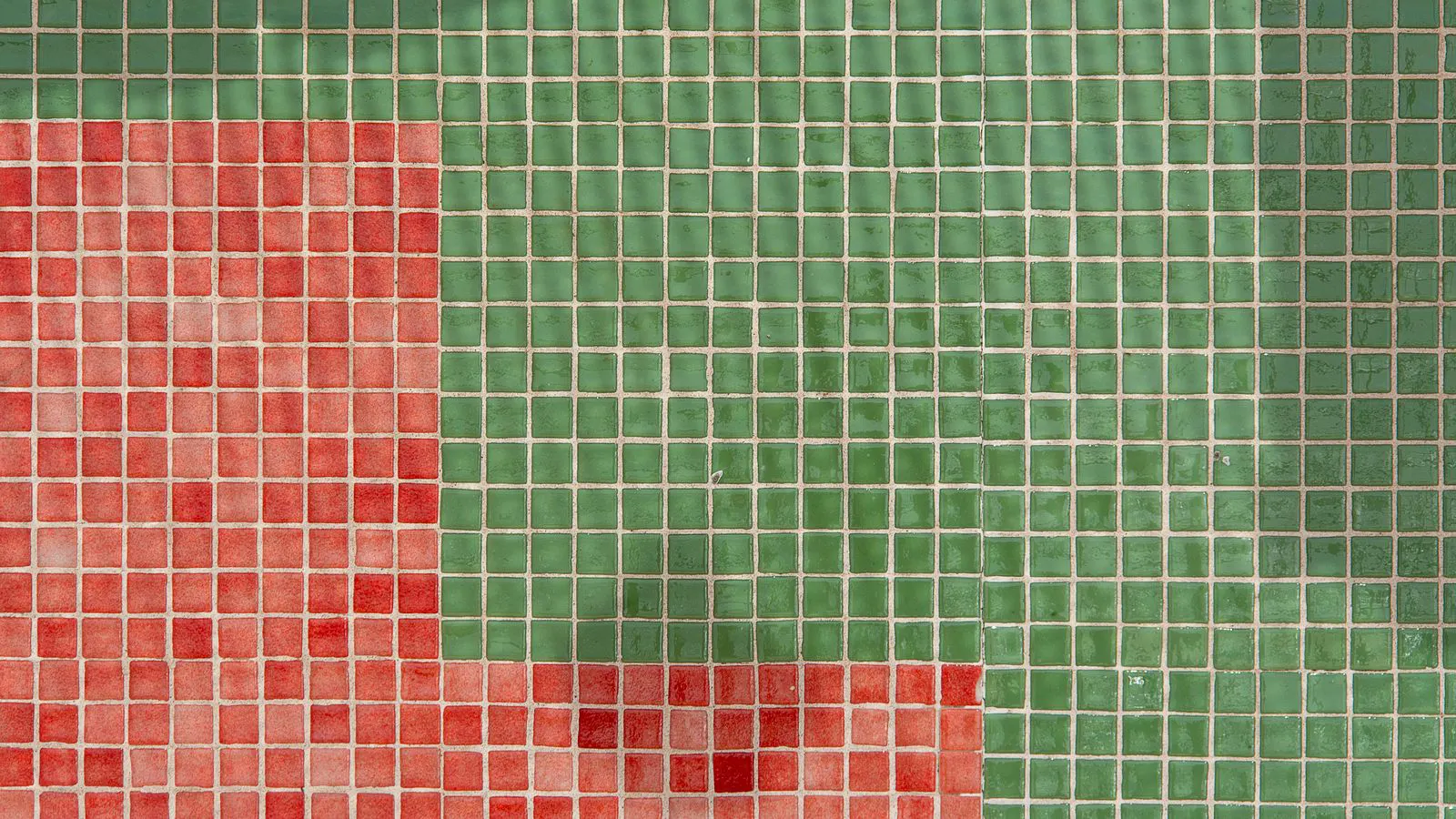
Grade C ceramic tiles are off-grade products with visible defects that are unsuitable for premium finishes. They are acceptable in specific non-visible or low-wear

Grade A tiles show uniform color, flat surfaces, and clean edges. Grade C tiles display visible defects like glaze variation and chipped edges. Understanding these
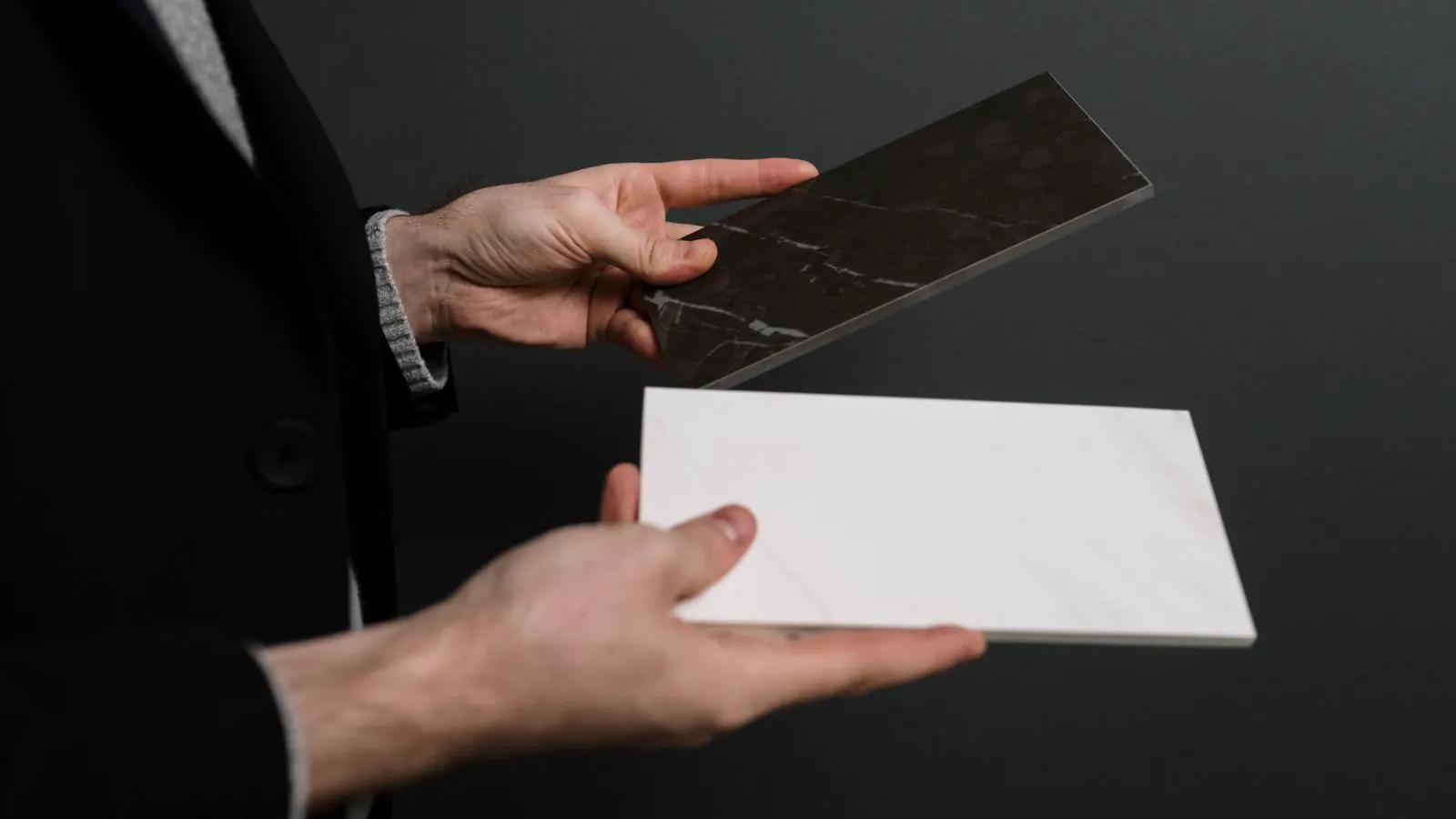
Grade B tiles contain visible defects like chips, stains, or color variations that affect aesthetics but not structural integrity. Inspect by checking edges, surfaces

Grade A tiles cost more and usually offer shorter or more predictable lead times than Grade B. The difference matters for project budgets and delivery schedules.