Future Trends in Ceramic Tile Quality Grading
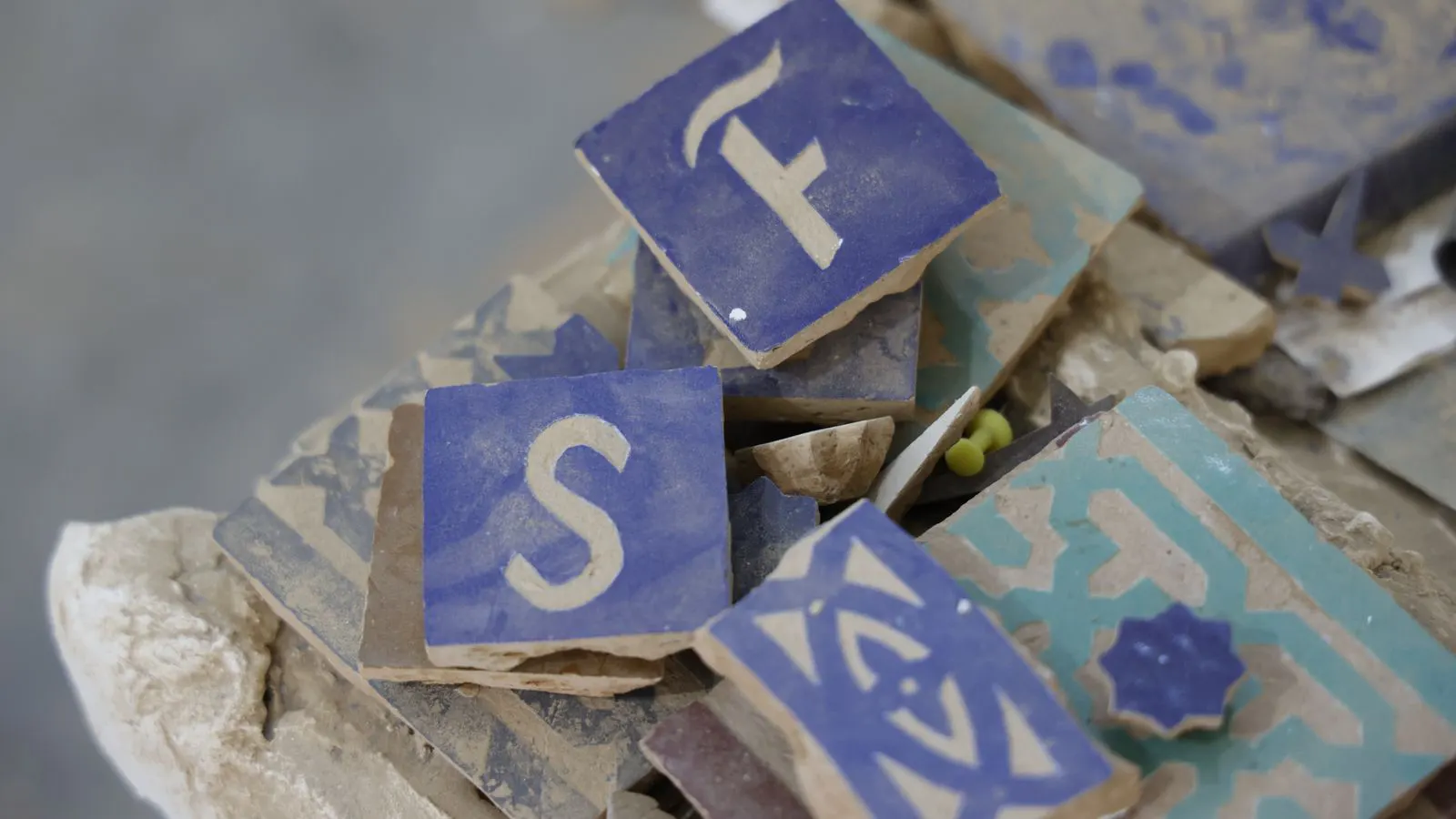
Future tile quality grading will focus on digital traceability, tighter dimensional tolerances, and clearer communication of surface defects. Buyers should prepare by updating specifications, standardizing inspection protocols, and requiring detailed test reports from suppliers before committing to large orders.
- Grading systems are moving toward digital records that link individual batches to specific production dates and test results.
- Surface defect tolerance is becoming more specific, with clearer language for chips, glaze issues, and color variation.
- Buyers need to define acceptance limits in writing rather than relying on generic grade labels.
- Quality control documentation is shifting from simple certificates to detailed reports including photos and statistical data.
- Understanding the difference between visual inspection and laboratory testing is key to managing risk.
Why Generic Grade Labels Are Losing Value
The phrase “Grade A” used to mean a lot. It signaled a supplier had met a set of internal standards and the buyer could proceed with confidence. That model is breaking down. As production speeds increase and global supply chains expand, the physical meaning of a single letter grade is becoming harder to pin down. A supplier in one region may use “A” to describe a tile that has zero visible defects under a specific light source. Another supplier may use “A” to describe a tile with minor surface variations that would be rejected by the first supplier.
This inconsistency creates problems during installation. When a project manager receives a pallet of “Grade A” porcelain and notices a slight glaze texture difference from the previous pallet, the conversation gets difficult. The supplier may argue both pallets are Grade A. The buyer may argue the visual mismatch is unacceptable. The dispute happens because the grade label did not specify the acceptance limits.
The industry is moving away from relying on a single letter to describe a tile. Instead, the focus is shifting to specific, measurable criteria. Quality control is no longer just about sorting tiles into piles. It is about defining exactly what makes a tile acceptable for a specific project. The next few years will see grading practices tighten around digital records, clearer defect definitions, and more standardized testing procedures.
The Shift Toward Digital Traceability
One of the biggest changes in how tile quality is managed is the use of digital records. In the past, a Certificate of Analysis would be a printed document that arrived with the shipment. It might list the batch number and a few test results. Today, buyers are increasingly demanding digital traceability. This means the supplier can link a specific pallet of tiles to a specific production date, a specific glaze batch, and a specific set of laboratory results.
This shift is driven by the need for faster dispute resolution. If a defect appears on site three months after installation, the buyer needs to know exactly what was tested and what the results were. A digital record provides a clear audit trail. It also helps with quality control over time. If a specific kiln or glaze line starts producing more chips, the digital records will show the trend. The supplier can identify the problem before it becomes a major rejection.
For buyers, this means you should request digital documentation in your specifications. Ask for a link to the batch report or a QR code that leads to the test data. Do not rely on a printed certificate alone. If a supplier cannot provide digital traceability, it may indicate a gap in their quality management system. You should treat this as a risk indicator. The more you can verify, the less you have to rely on visual inspection at the port.
Stricter Dimensional and Surface Tolerance Standards
The second major shift is in the tolerance for size and surface. For many years, the acceptable variation in tile length and width was measured in millimeters. This is still the case, but the interpretation is changing. Buyers are now asking for tighter tolerances for large format tiles. A 600mm by 1200mm porcelain tile, for example, is more difficult to keep perfectly straight than a standard 300mm square.
The problem is not just the size. It is the surface. A tile can be within size tolerance but have a subtle warp or a high spot that causes grout lines to look uneven. In the future, grading will likely place more weight on flatness and surface uniformity. This means the inspection process will change. A simple straightedge check may not be enough. Suppliers may need to use digital measuring tools or laser scanners to verify the surface profile.
This affects the cost of quality control. Testing for flatness is more expensive than checking length and width. Suppliers will pass this cost through to the buyer, especially for large format products. You need to decide which tolerances matter for your specific project. For a high-end lobby, a tight flatness tolerance is non-negotiable. For a residential kitchen where the grout lines are wider, a slightly looser tolerance may be acceptable. The key is to define these limits in the purchase order. Do not leave them to the supplier’s interpretation.
Clearer Language for Surface Defects
The third shift is in how defects are named and categorized. In the past, terms like “minor surface defect” or “acceptable variation” were common. These phrases are too vague. They allow for disagreement. A buyer might see a small chip and consider it a defect. The supplier might see the same chip and consider it normal variation.
Future grading systems will use more specific language. Instead of “surface defect,” you will see terms like “glaze chip,” “body crack,” “color deviation,” or “edge chip.” Each term will have a defined threshold. For example, a “glaze chip” might be defined as any chip larger than 1mm on the surface. A “body crack” would be a crack that goes through the glaze and into the body. The buyer needs to agree on these definitions before the shipment leaves the factory.
This also applies to color variation. Ceramic tiles are not perfectly uniform. There is always a difference between the lightest and darkest tile in a batch. In the past, this was covered by a general “color variation” grade. In the future, buyers will need to specify the acceptable range of Light Reflectance Value or a similar measure. This ensures that the tiles on the wall match the samples approved in the office. It removes the guesswork from the installation phase.
The Role of Statistical Process Control
The fourth change is the use of statistical data in grading. In the past, quality control was often a pass/fail decision based on a sample. The inspector would pick a few tiles, check them, and decide if the lot was good or bad. This method is moving toward Statistical Process Control. This approach looks at the entire production run, not just a sample.
The supplier will provide data that shows the average size, the average flatness, and the standard deviation. The standard deviation tells you how consistent the production is. A low standard deviation means the tiles are very uniform. A high standard deviation means there is more variation in the batch. This is useful for buyers because it allows for a risk assessment. A batch with a low standard deviation is safer for a large project. A batch with a high standard deviation may require more inspection or may be unsuitable for a high-visibility area.
This shift requires the buyer to understand basic statistics. You do not need to be a data scientist, but you need to ask the right questions. Ask for the mean and the standard deviation for size and flatness. Ask for the percentage of tiles that fall outside the specification limits. This data is more useful than a simple “Grade A” label. It gives you a clearer picture of the quality of the material you are about to buy.
How to Prepare Your Specifications
The fifth and most practical shift is in how you write your purchase specifications. If you want to avoid disputes and ensure the quality you need, you must write your specs to match these new grading practices. Do not just say “Grade A porcelain.” That is not enough. You need to define the acceptance criteria.
Start by listing the specific standards you are using. This could be a national standard or an international standard. Then, list the specific test methods. For example, specify the method for measuring water absorption, the method for measuring abrasion resistance, and the method for measuring flatness. The more specific you are, the easier it is for the supplier to understand what you need.
Next, define the defect acceptance limits. Use a table to list the defect type, the maximum size, and the maximum number per pallet. For example, “No more than 1% of tiles may have a surface chip larger than 2mm.” This removes ambiguity. It also makes the inspection process faster. The inspector can check each tile against a clear list rather than using subjective judgment.
A Comparison of Current and Future Grading Practices
The table below shows the difference between the current common practice and the future expected practice. This is not a prediction of what will happen tomorrow, but a description of the direction the industry is moving.
| Parameter | Current Common Practice | Future Expected Practice |
|---|---|---|
| Grade Label | Single letter (A, B, C) without detailed definition | Digital code linked to specific test data and production batch |
| Defect Definition | Vague terms like “minor surface defect” | Specific terms (chip, crack, color deviation) with size limits |
| Dimensional Tolerance | General millimeter limits per standard | Tighter limits for large formats, with flatness profile data |
| Quality Documentation | Printed Certificate of Analysis | Digital report with photos, statistical data, and batch traceability |
| Inspection Focus | Visual check of a sample | Statistical Process Control data from the full production run |
| Buyer Responsibility | Accept grade label at face value | Verify digital data and define acceptance limits in writing |
Practical Steps for Buyers
The final shift is in the buyer’s behavior. You cannot wait for the supplier to change. You need to change your process now. The first step is to update your standard purchase order. Add fields for digital traceability and statistical data. Make it a requirement, not an option.
The second step is to train your inspection team. They need to understand the difference between a visual defect and a laboratory test result. They need to know how to read a statistical report. If your team is not comfortable with digital data, you will be relying on the supplier’s interpretation. That is a risk you should not take.
The third step is to build relationships with suppliers who are moving in this direction. Ask about their quality control systems. Ask how they handle disputes. Ask if they use digital reporting. The suppliers who are ready for this change will be the ones who can provide the documentation you need. The suppliers who are not ready may be cheaper, but they will create problems later. The cost of a dispute, a rework, or a project delay is far higher than the cost of a premium tile with clear quality documentation.
The industry is moving toward a model where quality is measured, documented, and verified. The generic grade label is becoming a starting point, not the final answer. If you want to stay ahead of this change, you need to start writing your specifications like you are buying a piece of data, not just a box of tiles. This will save you time, money, and headaches in the long run.
Frequently asked questions
Will Grade A tiles still exist in the future?
Yes, but the definition will become more specific. The letter "A" will still be used, but it will be tied to a set of measurable criteria and digital records rather than a supplier's internal standard.
How can I verify the quality of a tile batch before it ships?
Request a digital Certificate of Analysis that includes test results and statistical data. Ask for photos of the inspection process. If the supplier cannot provide this, it is a red flag.
Is it worth paying more for tighter dimensional tolerances?
It depends on the project. For large format tiles in high-visibility areas, the cost is usually justified because it reduces installation time and grout line visibility. For smaller tiles or less visible areas, standard tolerances may be sufficient.
What is the biggest mistake buyers make with quality grading?
Relying on a generic grade label without defining the acceptance limits in writing. This leads to disputes during installation when the visual result does not match the expectation.
How often should I update my quality control specifications?
Review them at least once a year. Check if new industry standards have been released. Update your defect definitions based on any issues you have encountered in previous projects.