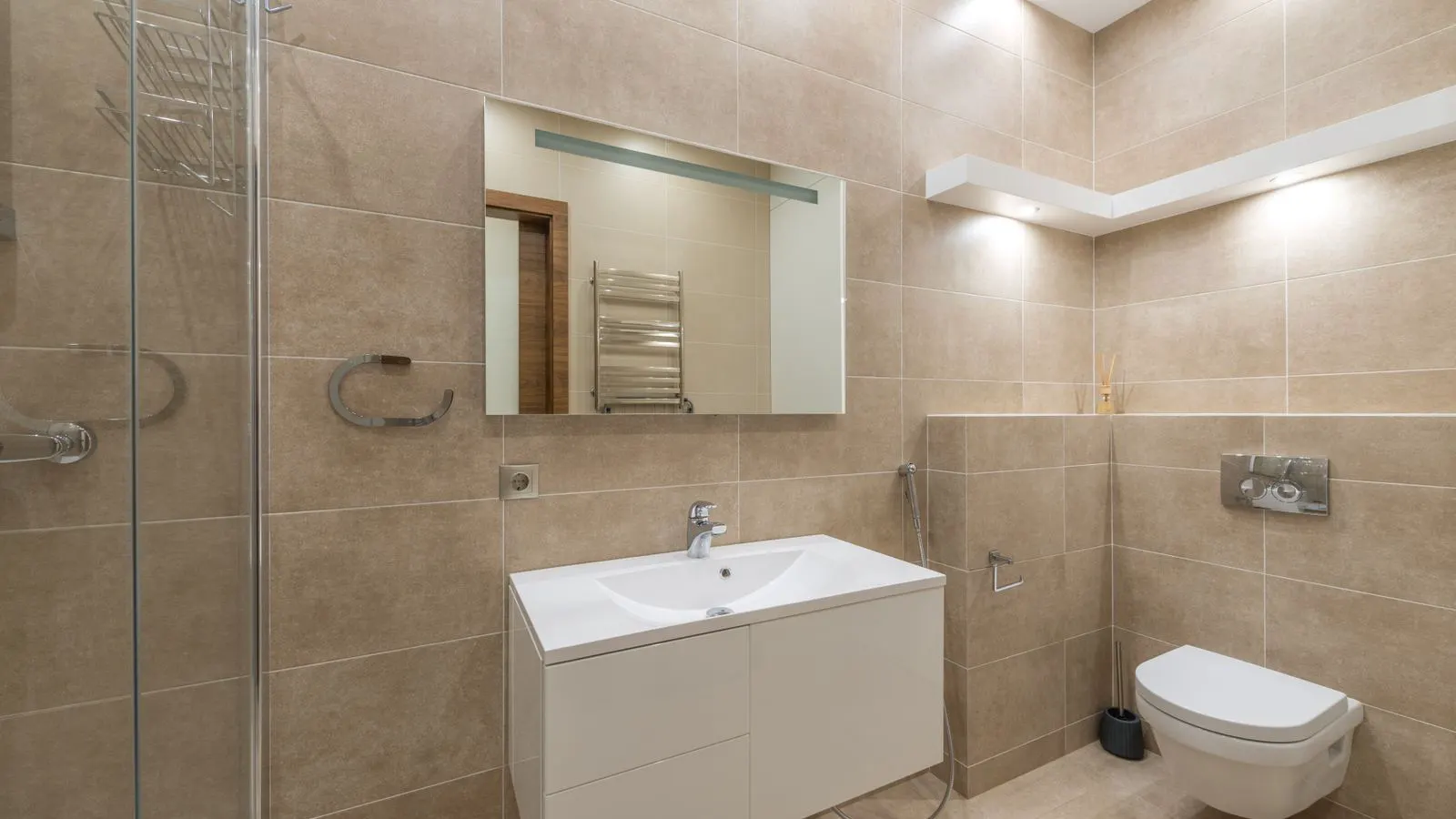
Wall & Floor Tiles
Explainer: Slip Resistance Testing for Porcelain Wall Tiles
Wall tile slip resistance is tested by simulating a person sliding on the surface while it is wet. The test measures the coefficient of friction, a number that
Comparative buying advice for wall and floor tiles, covering slip resistance, load ratings, and application best practices.
Wall tile slip resistance is tested by simulating a person sliding on the surface while it is wet. The test measures the coefficient of friction, a number that
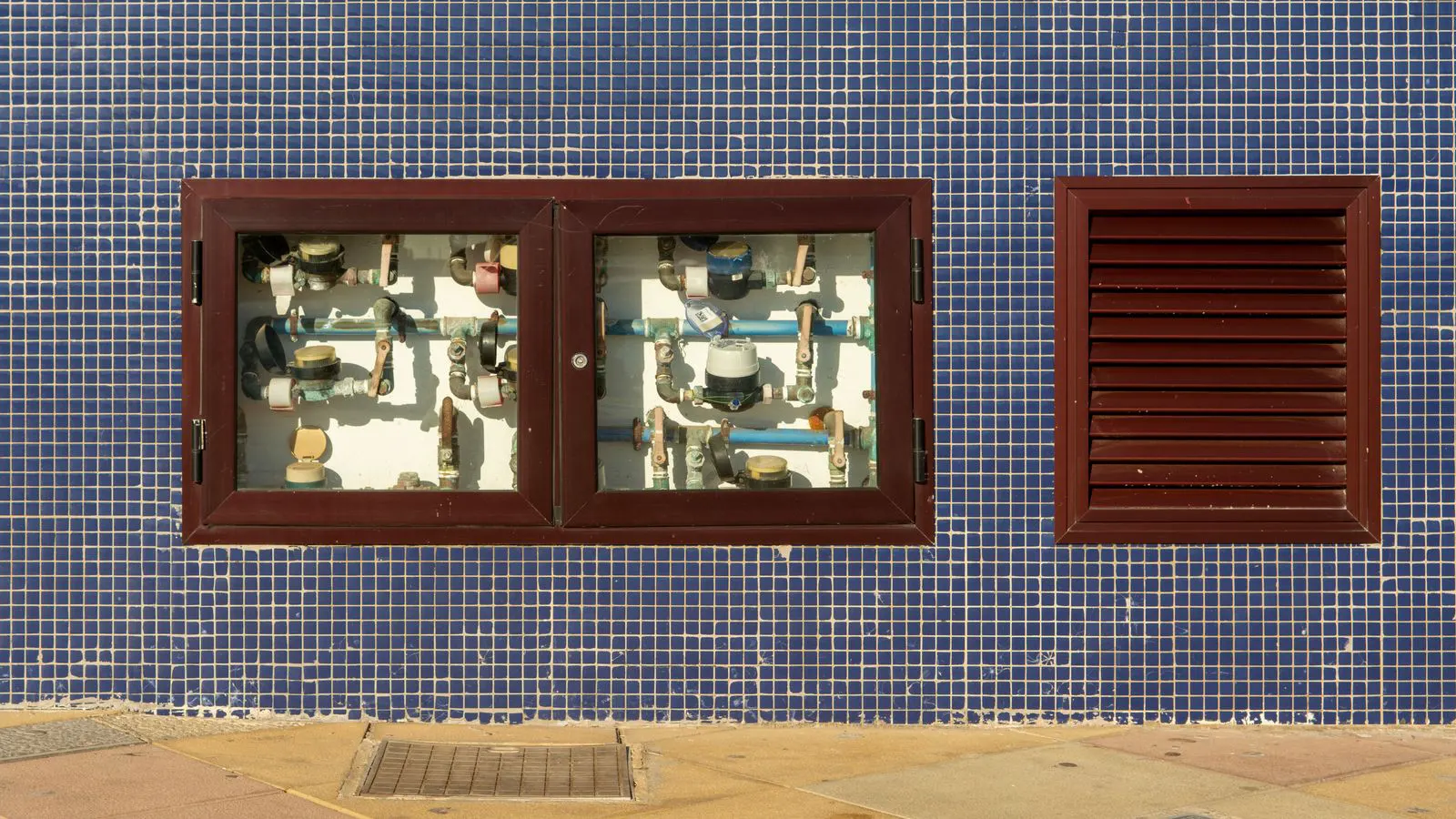
A practical tile procurement checklist helps buyers verify quality, slip resistance, and load ratings before placing an order. It covers material tests, documentation
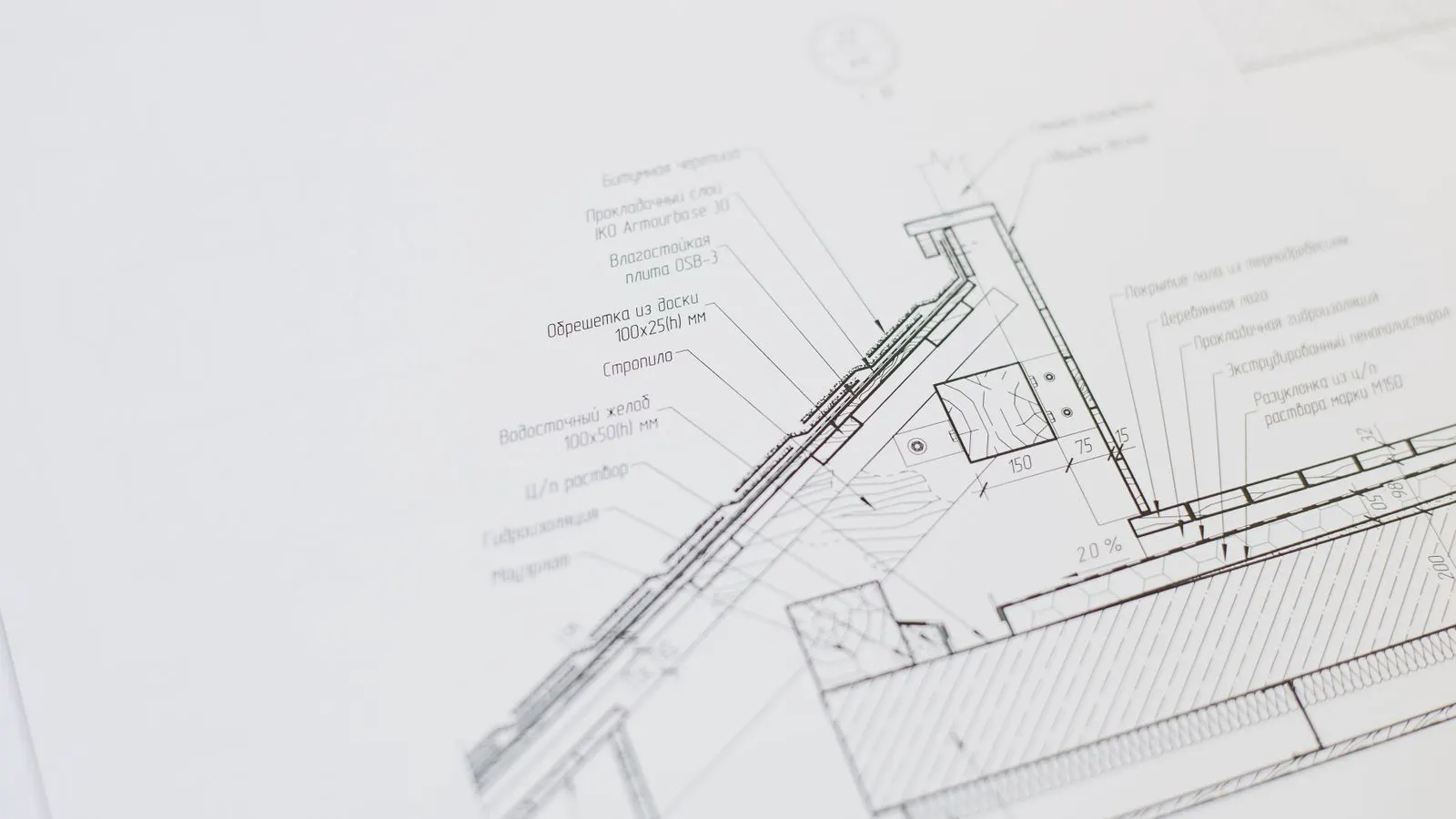
A tile load rating measures the structural capacity of a ceramic or porcelain unit under vertical and lateral force. It determines safe use in floors, walls, and
Installing porcelain floor tiles on concrete subfloors requires careful surface preparation, proper adhesion, and correct setting. Follow this step-by-step process to
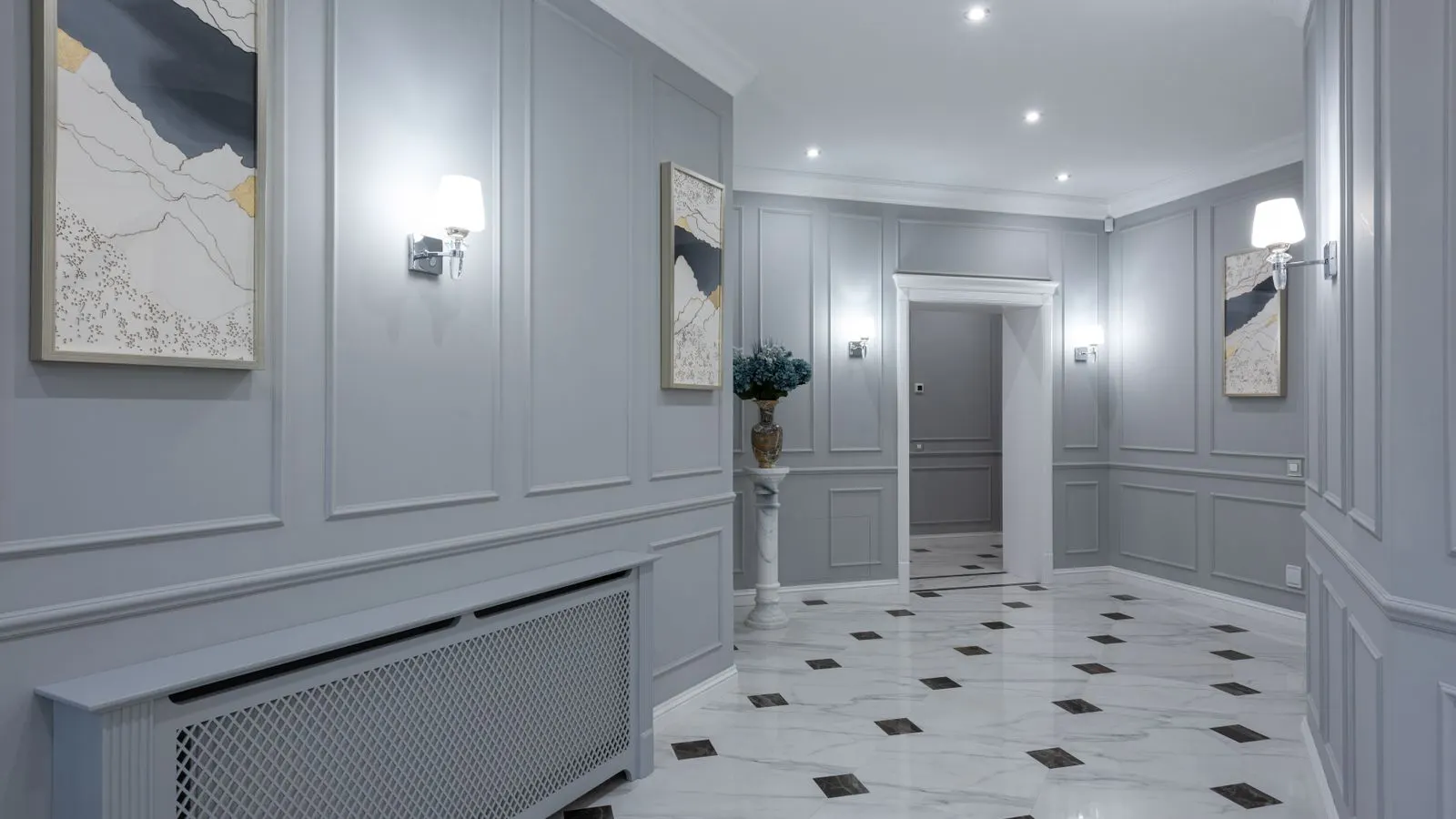
To choose the right commercial floor tile, match the manufacturer's load rating to the expected foot traffic, furniture weight, and structural capacity of the building.
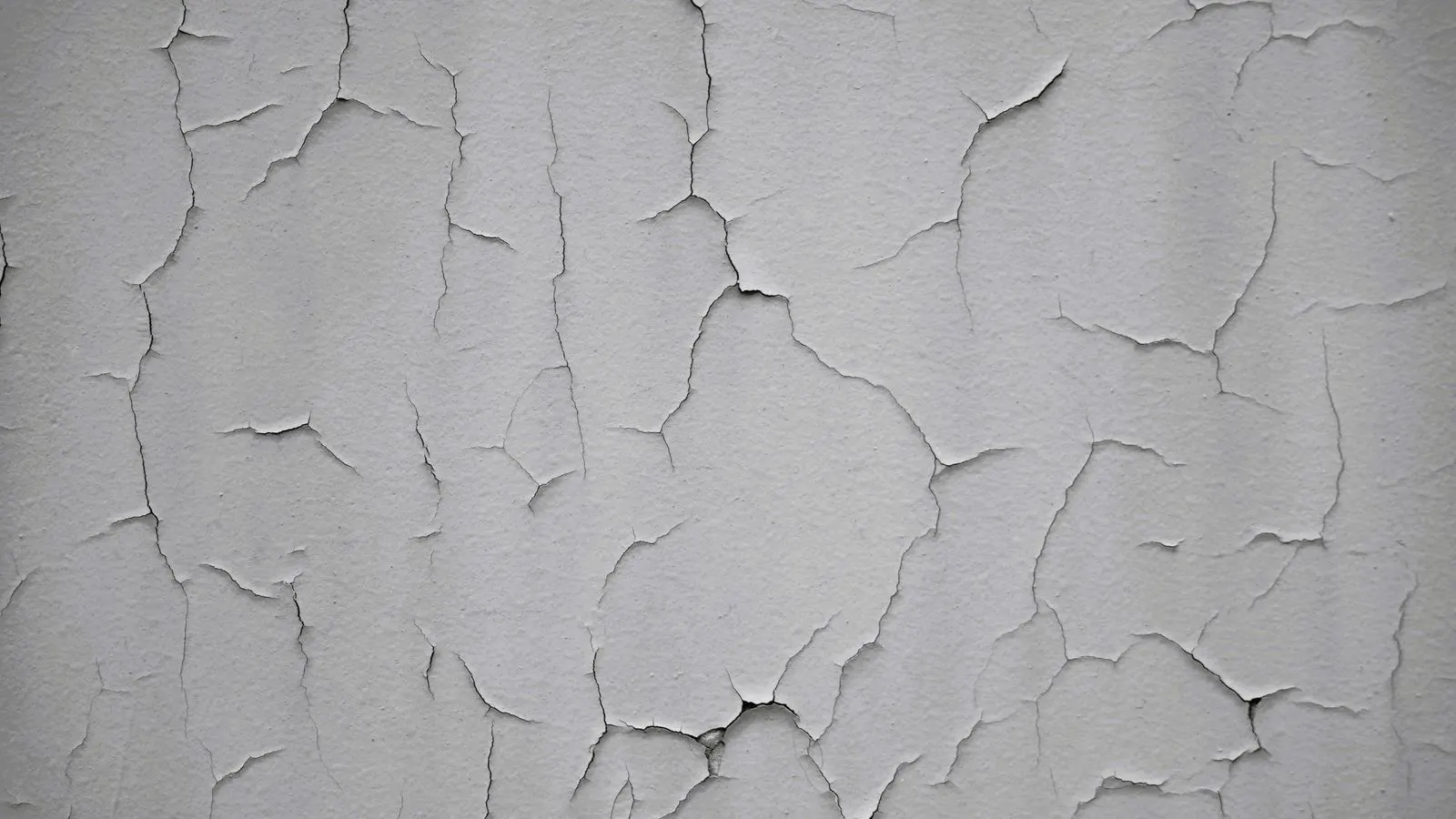
Grout cracking in wall tiles usually stems from substrate movement, improper mixing, or lack of movement joints. Identify the specific symptom to select the correct
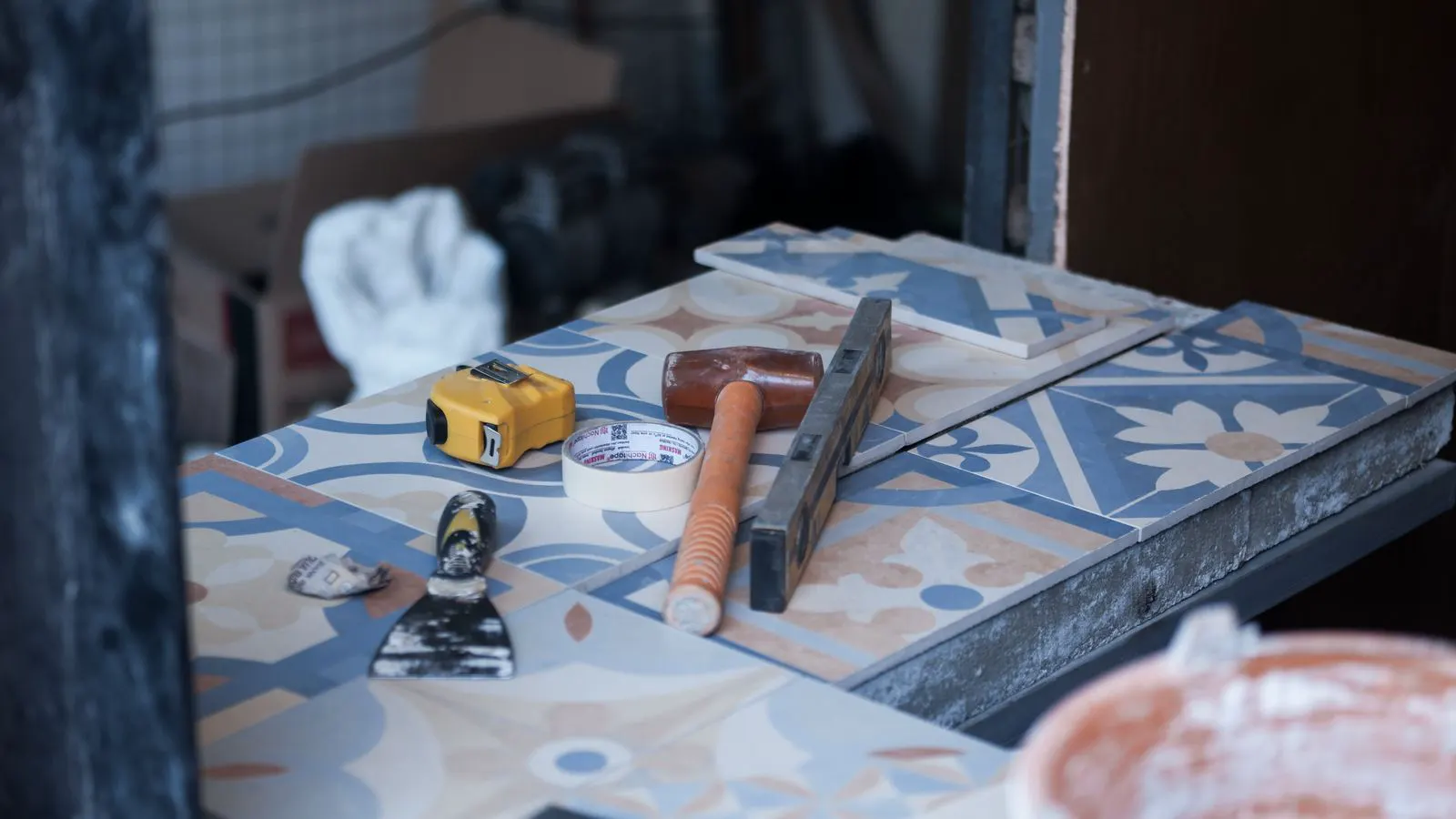
Large format porcelain floor tiles in 2026 will prioritize surface durability, installation efficiency, and consistent slip resistance. Buyers should plan for tighter
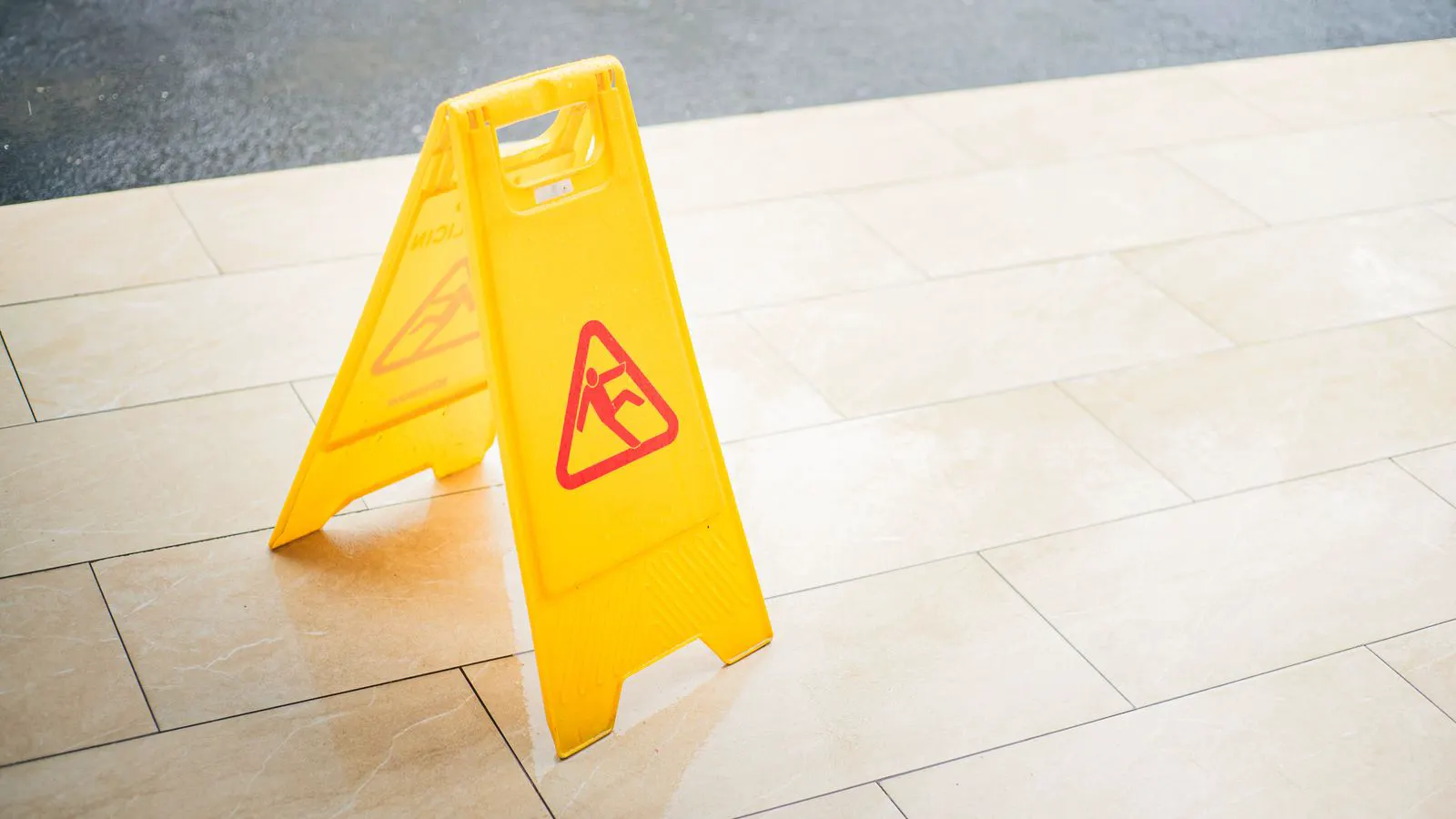
Slip resistance ratings classify porcelain tile surface grip under specific test conditions. Professional buyers must match the coefficient of friction value to the

Ceramic wall tiles usually cost less upfront but ship faster. Porcelain wall tiles command a higher price due to denser materials and tighter quality controls, which