Slip Resistance Rating for Porcelain Floor Tiles: A Comparison
Slip resistance ratings classify porcelain tile surface grip under specific test conditions. Professional buyers must match the coefficient of friction value to the room's wetness and foot traffic. The table below contrasts standard ratings and their practical applications for safe flooring selection.
- Ratings use standardized test conditions, and the value changes if the test fluid or surface is different.
- Matte and textured finishes generally offer better grip than polished or glazed surfaces.
- Match the rating to the specific environment, such as a dry office or a wet bathroom.
- Check the test standard and sample size on the data sheet before specifying the material.
What is the slip resistance rating scale
The slip resistance rating measures the friction between a foot and the tile surface. The value is expressed as a coefficient of friction, often abbreviated as R. A higher number indicates more grip. The scale is not a single measurement but a set of standardized test results.
The test places a sample of the tile on a flat surface. A test device simulates a foot pressing down while sliding across the tile. The test can be dry or wet. It can also use a specific test fluid, such as water or a soapy solution. The result is a single value that tells you how much friction exists between the foot and the floor.
For porcelain floor tiles, the rating is printed on the technical data sheet. It is not a marketing claim but a test result. The data sheet must list the standard used, such as EN 14041 or DIN 1013. If the standard is missing, the rating is not comparable to other tiles.
The rating is specific to the surface finish. A polished finish and a matte finish of the same porcelain tile will have different ratings. The test uses the exact surface provided by the manufacturer. If you buy a different finish, you must re-check the rating.
How to compare slip resistance ratings for different finishes
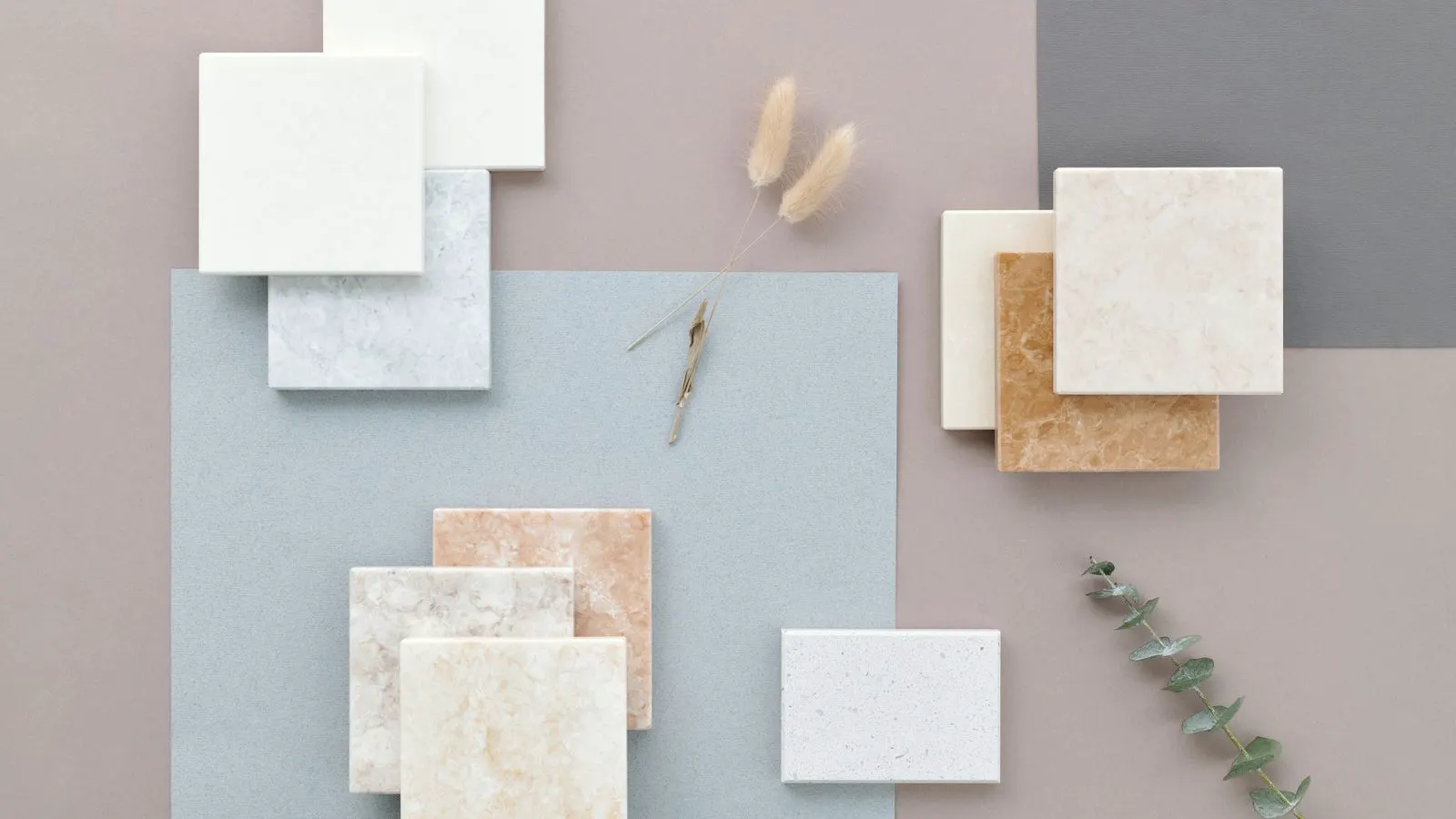
Finish is the biggest variable in slip resistance. A glossy, high-polish surface reflects light and has very little texture. It offers low friction when wet. A matte finish has a lower sheen and more surface texture. It offers higher friction. A textured or unglazed surface has the highest friction because the foot catches on the physical irregularities.
Polished porcelain tiles are common in residential living rooms and offices. They are easy to clean and reflect light. But they become slippery when wet. If you use them in a hallway or entryway, you must be careful. The risk is highest when the floor is wet from shoes or rain.
Matte porcelain tiles are safer for bathrooms and kitchens. They have a low sheen and a slight texture. They are still easy to clean but provide much better grip than polished tiles. If you want a low-maintenance floor that is safe for wet feet, matte is the standard choice.
Unglazed or textured porcelain tiles are for high-risk areas. They have a rough surface that catches the foot. They are not as easy to clean as glazed tiles. Dirt and grime can settle into the texture. They are best for industrial floors, outdoor areas, or heavy commercial spaces.
Slip resistance rating comparison for porcelain floor tiles
The table below compares the main surface options for porcelain floor tiles. It shows the typical use case and the main limitation for each.
| Option | Best for | Limitations |
|---|---|---|
| Polished or high-gloss finish | Dry residential spaces, offices | Very slippery when wet, high maintenance |
| Matte or satin finish | Bathrooms, kitchens, hallways | Less reflective, texture may show dirt |
| Unglazed or textured finish | Industrial floors, outdoor areas, wet commercial spaces | Difficult to clean, high cost, limited design range |
Polished tiles are the least safe option. They are chosen for aesthetics. They reflect light and make a small room look larger. But they are a safety risk in wet areas. If you must use them in a hallway, you need to manage the water source. Wipe up spills immediately. Keep the floor dry.
Matte tiles are the standard for most residential wet areas. They provide a good balance of safety and appearance. They are not as slippery as polished tiles. They are easier to clean than unglazed tiles. They are available in many colors and patterns. They are the safest choice for a home bathroom or kitchen.
Unglazed tiles are the safest option. They offer the highest friction. But they are hard to clean. The texture traps dirt and water. They are not suitable for a home kitchen where you want a clean look. They are best for a factory floor, a pool deck, or a commercial dining area with high foot traffic.
Which rating to choose for specific environments
The environment dictates the rating. A dry office floor does not need the same level of grip as a wet bathroom. You need to match the tile to the use.
For a dry office or living room, a polished or high-gloss tile is acceptable. The floor will rarely be wet. The risk is low. You can choose a polished tile for its appearance. The safety rating is less critical here.
For a bathroom or kitchen, a matte or satin tile is the standard. These rooms are wet. Water is a constant presence. A matte finish provides the needed grip. It is safe for bare feet. It is safe for wet shoes. It is the right choice for a home environment.
For a commercial kitchen or restaurant, you need a higher rating. The floor is wet and dirty. You need a tile that can handle the friction. An unglazed or textured tile is often used. It provides the grip needed for staff and customers. It is also durable under heavy foot traffic.
For an outdoor area, such as a patio or pool deck, you need the highest rating. The floor is exposed to weather. It gets wet from rain and pool water. An unglazed or textured tile is the only safe choice. It provides the grip needed for wet feet. It is also resistant to weathering.
How to verify the slip resistance rating before purchase
The data sheet is the source of truth. Before you specify the tile, ask the supplier for the technical data sheet. Look for the slip resistance rating. Look for the test standard. Look for the surface finish.
If the data sheet does not list the rating, do not buy the tile. The rating is not optional. It is a safety parameter. If the supplier cannot provide the rating, they are not a reliable source. Ask for the test certificate. It should show the test method and the result.
The rating is specific to the sample. If the data sheet says the rating is 75, it means the sample tested had a rating of 75. It does not mean every tile in the batch has that rating. But it means the manufacturer has tested the product. It is a reliable indicator of the surface friction.
Do not rely on the visual appearance. A tile that looks matte may be polished. A tile that looks textured may be glazed. The finish is determined by the surface treatment, not the color or pattern. Check the data sheet, not the sample.
Common mistakes in selecting slip resistance porcelain floor tiles
The most common mistake is choosing a tile based on color or pattern. The finish is more important than the design. A beautiful polished tile is a safety risk in a wet room. A matte tile in a dry room is safe but may not match the desired aesthetic.
Another mistake is assuming that a higher number is always better. A very high rating can be difficult to walk on. It can be tiring for the feet. It can be rough for the shoes. It can be hard to clean. The rating must match the environment. A moderate rating is often the best choice for a home.
The final mistake is not checking the standard. Two tiles can have the same number but different standards. The test conditions are different. The result is not comparable. You must check the standard on the data sheet. If the standard is different, the number has no meaning.
How to maintain the slip resistance over time
The rating is a test result. It is not a guarantee. The surface can change over time. Dirt and grime can reduce the friction. Water spots can reduce the friction. The surface can wear down over time.
To maintain the rating, keep the floor clean. Use a neutral cleaner. Avoid wax or polish. These products add a layer to the surface. They reduce the friction. They make the floor more slippery.
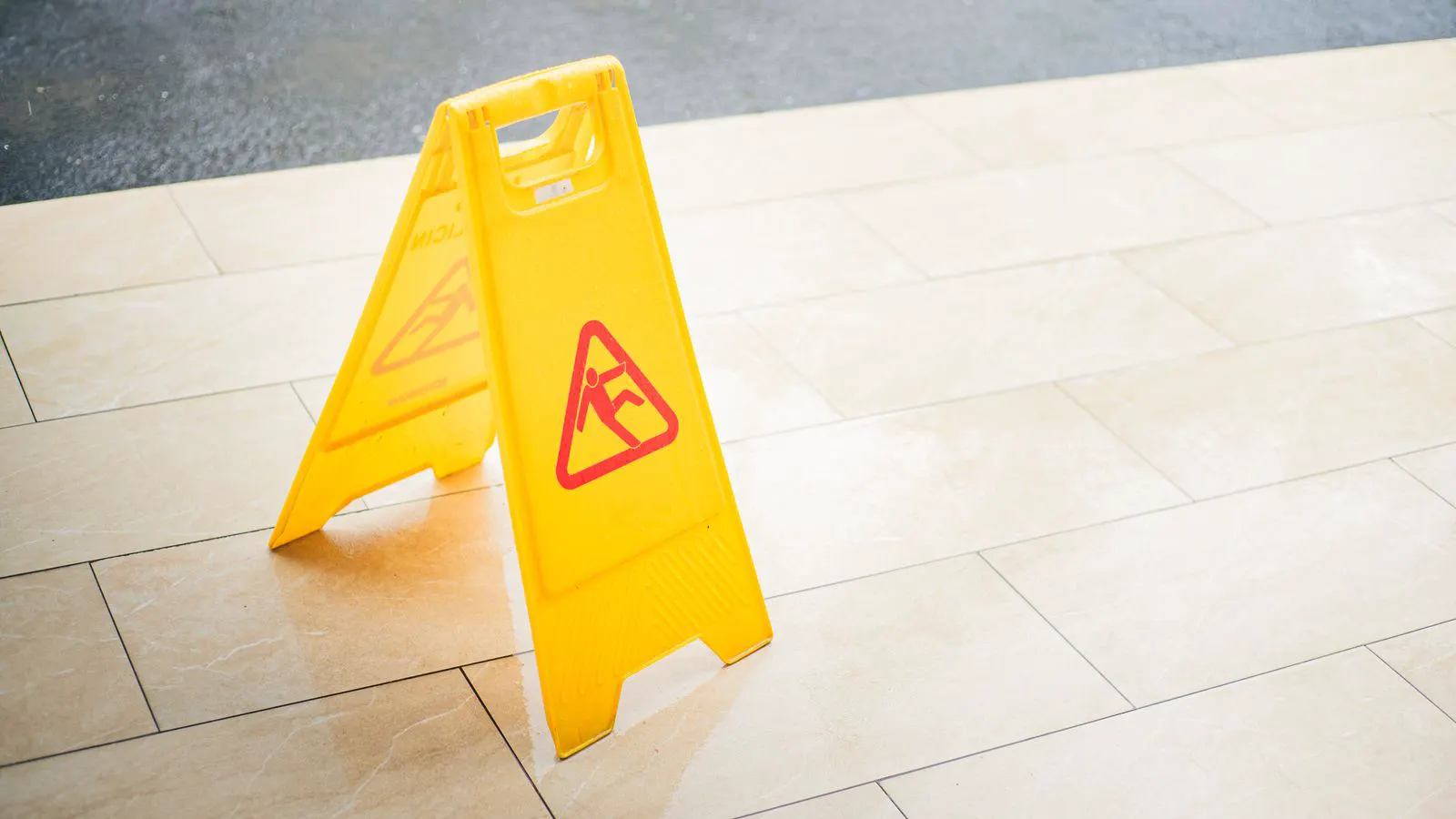
If the floor is wet, wipe it up. Standing water is a safety hazard. It reduces the friction. It causes slips. Keep the floor dry. Use a doormat at the entry. Wipe the feet. Keep the shoes clean.
The surface can wear over time. In high-traffic areas, the texture can wear down. The friction can reduce. If you notice the floor is becoming slippery, you need to re-check the surface. You may need to replace the tile. You may need to change the finish.
The rating is a starting point. It is not a permanent guarantee. You must manage the floor. You must keep it clean. You must keep it dry. You must check the surface regularly. If the surface changes, the rating changes.
Frequently asked questions
Can I use polished porcelain tiles in a bathroom?
You can, but you must be careful. Polished tiles are slippery when wet. They are not recommended for a bathroom floor. Use a matte or textured tile instead.
What is the difference between a wet and dry rating?
The wet rating is tested with water or a test fluid. The dry rating is tested on a dry surface. The wet rating is always lower than the dry rating. You must use the wet rating for wet areas.
Is a higher number always safer?
Not always. A very high number can be rough and tiring. It can be hard to clean. You need to match the rating to the environment. A moderate rating is often the best choice.
How do I check if a tile is slip resistant?
Ask the supplier for the technical data sheet. Look for the slip resistance rating and the test standard. If the data sheet does not list the rating, do not buy the tile.
Can I use the same tile for a floor and a wall?
Yes, but the rating is for the floor. The wall does not need a slip rating. The floor rating is based on the surface friction. The wall rating is not relevant for safety.