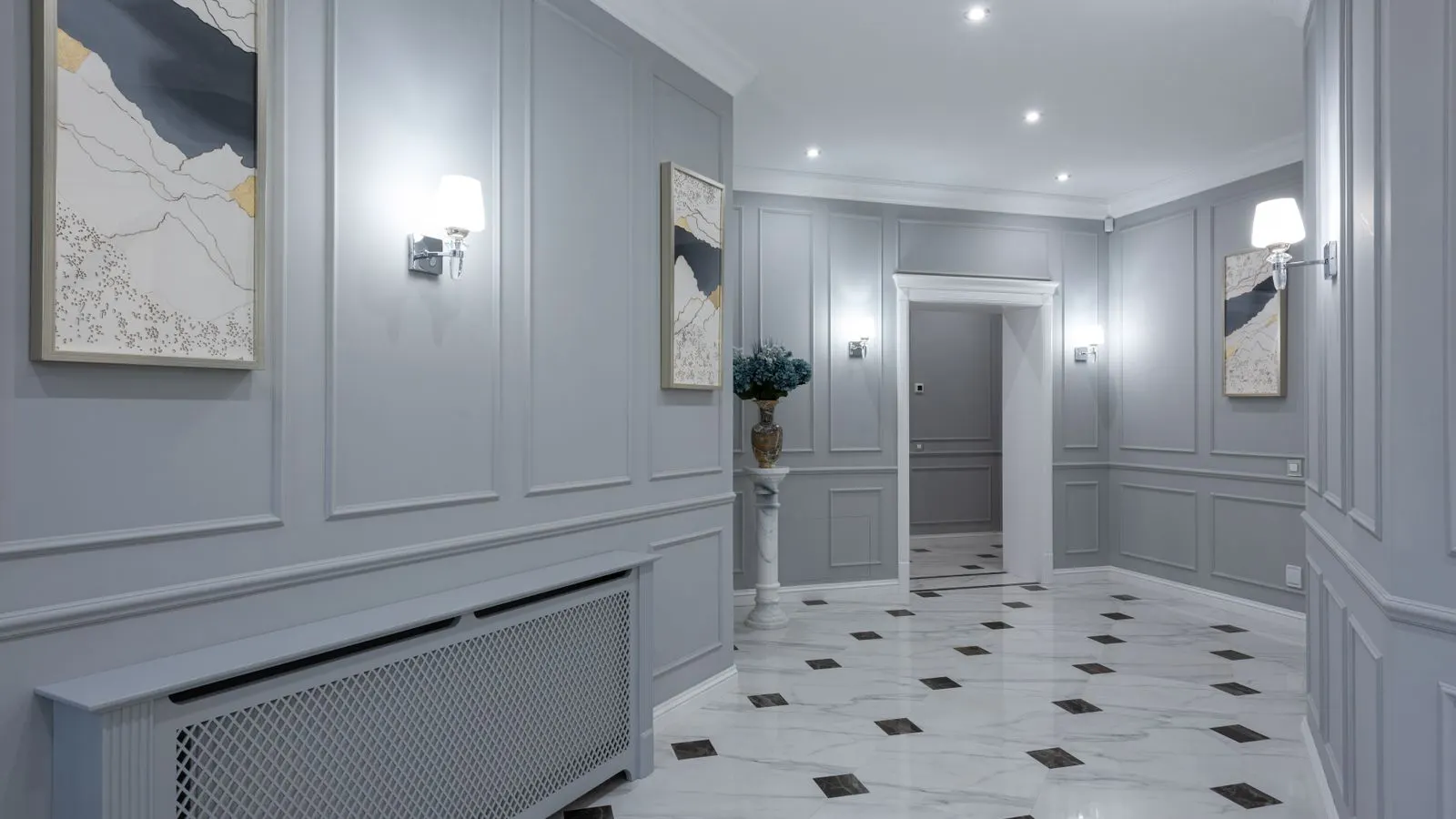
Outlook for Large Format Porcelain Floor Tiles in 2026
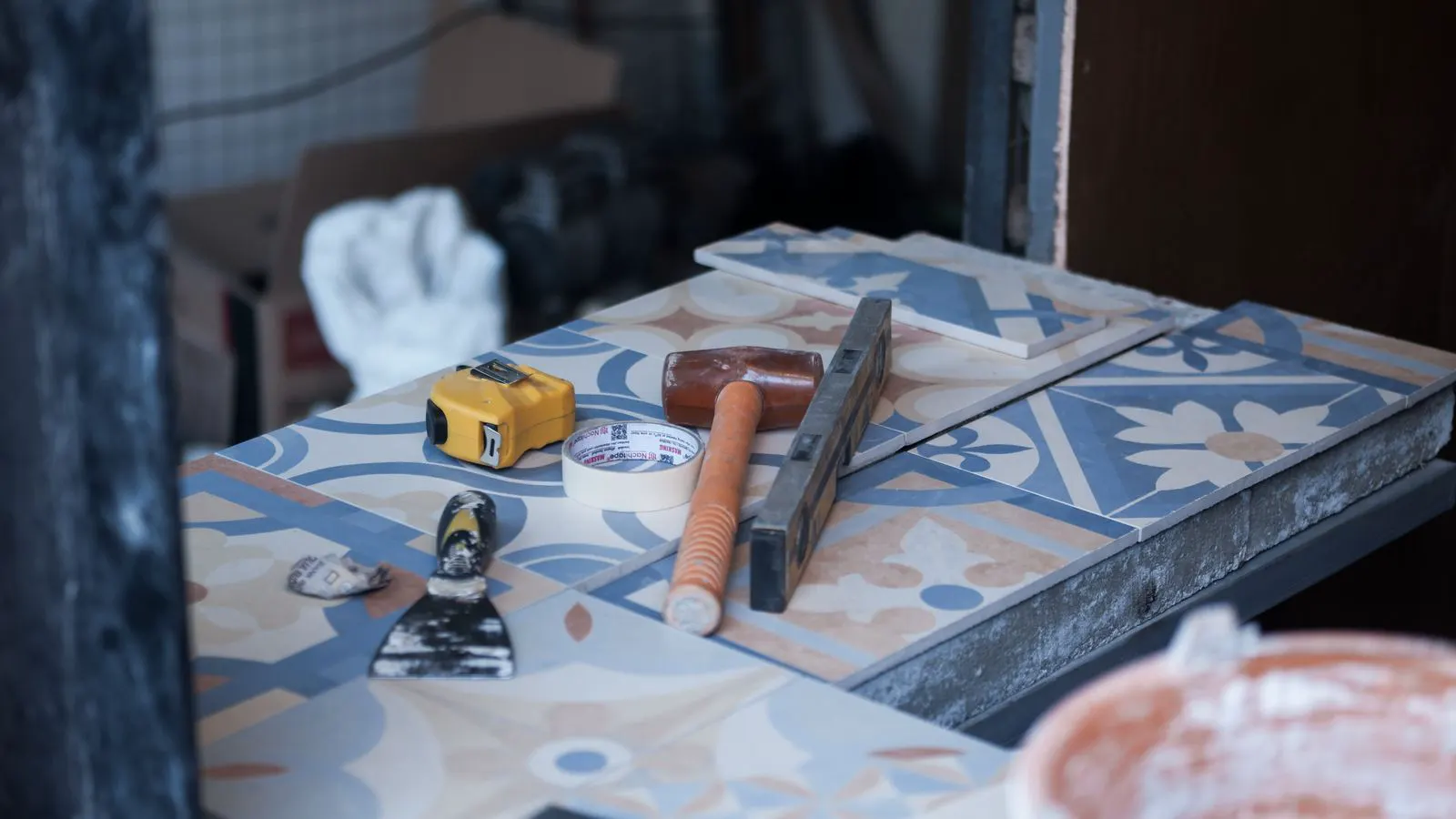
Large format porcelain floor tiles in 2026 will prioritize surface durability, installation efficiency, and consistent slip resistance. Buyers should plan for tighter tolerances, standardized logistics, and specific material certifications to reduce risk in commercial and high-traffic residential projects.
- Prioritize surface texture and slip resistance data over gloss levels when specifying large format porcelain.
- Standardize panel dimensions and logistics requirements to reduce waste and installation errors.
- Verify that supplier lead times align with your project schedule, especially for custom or high-spec finishes.
- Require consistent batch testing to avoid visible color or texture variations across large installations.
- Plan for specialized installation methods, including proper substrate preparation and joint management.
The Current State of Large Format Porcelain
Large format porcelain floor tiles are now a standard option for many commercial and residential projects. The market has moved past the novelty phase. In 2026, buyers select large panels for performance and efficiency, not just visual impact. The material offers durability, easier maintenance, and a continuous appearance when installed correctly.
The shift has been driven by installation challenges. Large panels require precise leveling, careful handling, and consistent material quality. Projects that treat these tiles as standard ceramic often face delays and defects. The market now expects suppliers to provide technical support and installation guidance.
This article outlines five shifts buyers should plan for. These shifts affect purchasing decisions, project timelines, and long-term maintenance costs. The focus is on practical preparation, not speculative forecasting.
Shift One: Surface Texture and Slip Resistance
Surface finish has become a primary specification item. Glossy large format porcelain can look impressive in showrooms but performs poorly on floors with wet conditions. Buyers now specify matte or textured finishes for areas with moisture exposure.
Slip resistance must be tested for the specific use case. A tile rated for dry indoor use may fail in a kitchen, entryway, or commercial lobby. The Slip Resistance Rating for Porcelain Floor Tiles: A Comparison article on this site details how different ratings perform. For 2026, plan to request the actual coefficient of friction for the specific batch you receive.
Texture also affects cleaning. Highly textured surfaces trap dirt in high-traffic zones. Smooth matte finishes clean faster but offer less grip. The right choice depends on foot traffic, cleaning frequency, and environmental conditions. Specify the finish before finalizing the order.
Shift Two: Installation Efficiency and Labor Costs
Installation is the largest cost driver for large format flooring. The tile market outlook suggests that labor efficiency will shape purchasing decisions more than material cost alone. In 2026, buyers should expect suppliers to offer installation planning support.
Large panels require leveling systems, proper spacers, and consistent adhesive coverage. A single out-of-level panel can crack during installation or shift over time. Substrate preparation is non-negotiable. Uneven concrete or poor adhesive application causes more failures than the tile itself.
Plan for specialized labor. General tile setters may not be trained for large format installation. Check their experience with similar panel sizes. Request references for commercial projects. The cost of rework far exceeds the cost of hiring experienced installers.
Shift Three: Consistency and Batch Management
Color variation and texture consistency are major concerns with large format porcelain. Each kiln run produces slight differences in tone and surface texture. In small projects, these variations are acceptable. In large installations, they become visible defects.
Buyers should require batch control from the supplier. This means all panels for a single project come from the same kiln run or are matched by the manufacturer. If the order exceeds available stock, the supplier must source a matched batch before delivery.
Request sample panels from the actual production batch before full installation. Install a small section and review it under project lighting. If the supplier cannot provide batch documentation, treat the order as high risk.
Shift Four: Logistics and Site Handling
Transport and on-site handling affect the final result. Large panels are fragile during movement. A dropped panel or a poorly loaded truck can cause cracks that are not visible until installation.
The tile market outlook for 2026 indicates a stronger focus on packaging and logistics. Suppliers should provide clear handling instructions and damage reporting procedures. Inspect every pallet upon delivery. Document damage immediately. Do not accept damaged panels without a written claim process.
Site preparation must account for panel size. Stairwells, narrow corridors, and small rooms may not accommodate large panels. Plan cuts in advance. Excessive cutting increases waste and exposes tile edges to chipping. Design the layout before ordering.
Shift Five: Long-Term Maintenance and Performance
Large format porcelain is durable, but it is not maintenance-free. Grout lines, if present, require cleaning. Joints between panels must be designed for movement and cleaning. In 2026, buyers are more likely to specify narrow joint widths or no joint for small areas, depending on substrate movement.
The choice between jointed and smooth installation depends on the substrate. Concrete slabs expand and contract. A rigid, jointless installation can crack over time. For large areas, design the layout to include controlled movement joints.
Maintenance costs vary by finish. Textured surfaces require more frequent cleaning. Smooth surfaces resist staining better. Factor these costs into the long-term project budget. The initial material cost is only a fraction of the total lifecycle cost.
A Comparison of Key Specification Factors
The table below summarizes the main factors buyers should evaluate when specifying large format porcelain floor tiles in 2026.
| Specification Factor | What to Check | Risk if Ignored |
|---|---|---|
| Slip Resistance | Coefficient of friction for wet conditions | Slips, injuries, liability claims |
| Batch Consistency | Kiln run documentation and sample matching | Visible color and texture variation |
| Substrate Quality | Levelness and flatness of concrete or screed | Cracking, tile displacement, voiding |
| Logistics | Packaging, handling, and damage procedures | Broken panels, installation delays |
| Joint Design | Movement joints and grout width | Long-term cracking, maintenance issues |
How to Prepare Your Purchasing Strategy
Purchasing large format porcelain requires coordination between architects, contractors, and suppliers. The strategy must cover material selection, site logistics, and labor planning.
Start with the substrate. Concrete slabs and screeds must meet strict flatness standards. Large panels amplify small substrate imperfections. A ripple of just a few millimeters can cause lippage, where tile edges appear uneven. This visual defect is difficult to fix after installation. Use a straightedge or laser level to measure the substrate before committing to a specific tile size. If the substrate is not flat enough, plan for self-leveling compound or grinding. This adds time and cost but prevents a failed installation.
Next, define the aesthetic requirements. Large format tiles allow for minimal grout lines, creating a continuous surface. This look is popular in modern residential spaces and corporate offices. However, the aesthetic choice dictates the installation method. A jointless look requires a substrate that will not move. A jointed look allows for more movement tolerance but introduces a visible line. Decide which trade-off suits the project.
Finally, coordinate the supply chain. Large panels are bulky and heavy. They require specific storage space on site. Plan for a dedicated area to stack pallets. Avoid stacking tiles too high to prevent crushing or warping. Coordinate deliveries with the installation schedule. Do not allow tiles to sit on site for long periods in uncontrolled environments. Temperature fluctuations can affect the adhesive and the tile.
Preparation Checklist for 2026 Projects
- Request technical data sheets for each candidate tile. Verify thickness, density, and surface finish.
- Obtain slip resistance test results for the specific use case. Do not rely on general ratings.
- Confirm batch availability and lead times. Add a buffer for matched batch sourcing.
- Inspect the substrate before finalizing the tile order. Correct levelness issues before installation.
- Hire installers with documented experience in large format porcelain. Review their project references.
- Plan the layout and cut list before ordering. Minimize on-site cutting.
- Establish a damage reporting process with the supplier. Inspect every pallet upon delivery.
- Design for movement. Include appropriate joints for large areas and variable conditions.
Final Considerations for Long-Term Planning
The outlook for large format porcelain floor tiles is stable but demanding. The market rewards buyers who plan carefully. Material cost is no longer the only decision factor. Performance, consistency, and installation quality determine project success.
Buyers who standardize specifications, verify supplier capabilities, and invest in proper installation will achieve better results. Those who treat large format porcelain as a simple upgrade from standard ceramic will face avoidable problems.
Prepare your projects with technical rigor. The tiles themselves are mature. The process around them requires care.
Frequently asked questions
What is the minimum substrate levelness requirement for large format porcelain?
Check the manufacturer's specification for the panel size and weight. Generally, substrates must be flat within a narrow tolerance range to prevent cracking or displacement.
Can I mix batches from different deliveries in one room?
Avoid mixing batches unless the supplier confirms they are visually matched. Color and texture variation can become visible, especially in large areas.
How long should I expect lead times for large format porcelain?
Lead times vary by region and supplier. Standard finishes may arrive faster than custom or high-texture options. Confirm lead times in writing before finalizing the project schedule.
What adhesive should I use for large format porcelain floors?
Use a polymer-modified cement adhesive rated for large panels and the specific substrate. Check the adhesive manufacturer's recommendations for panel size and weight.
Are large format porcelain tiles suitable for exterior use?
Some are, but not all. Verify the tile is rated for outdoor use, freeze-thaw resistance, and slip resistance in wet conditions. Interior-only tiles will fail in exterior applications.