Standards & Testing
What Is Porcelain Tile Porosity and How to Measure It
Porcelain porosity is the fraction of a tile body that is open space. Labs measure it by weighing dry and water-saturated samples. The result determines suitability for
Neutral overviews of common test methods and performance properties, such as water absorption, wear, and chemical resistance.
Porcelain porosity is the fraction of a tile body that is open space. Labs measure it by weighing dry and water-saturated samples. The result determines suitability for
A ceramic tile batch degrades faster than expected when chemical resistance testing passes but service conditions exceed the material's limits. This guide lists common

Independent tile testing costs vary based on lab accreditation, sample quantity, and turnaround speed. This guide explains the cost drivers, how to structure a clear
Water absorption measures liquid uptake, while porosity describes open space in the material. Selecting by water absorption ensures consistent performance. Porosity
Confirm that every required tile test report, certificate, and quality assurance document is present and correctly formatted. This checklist helps buyers verify import
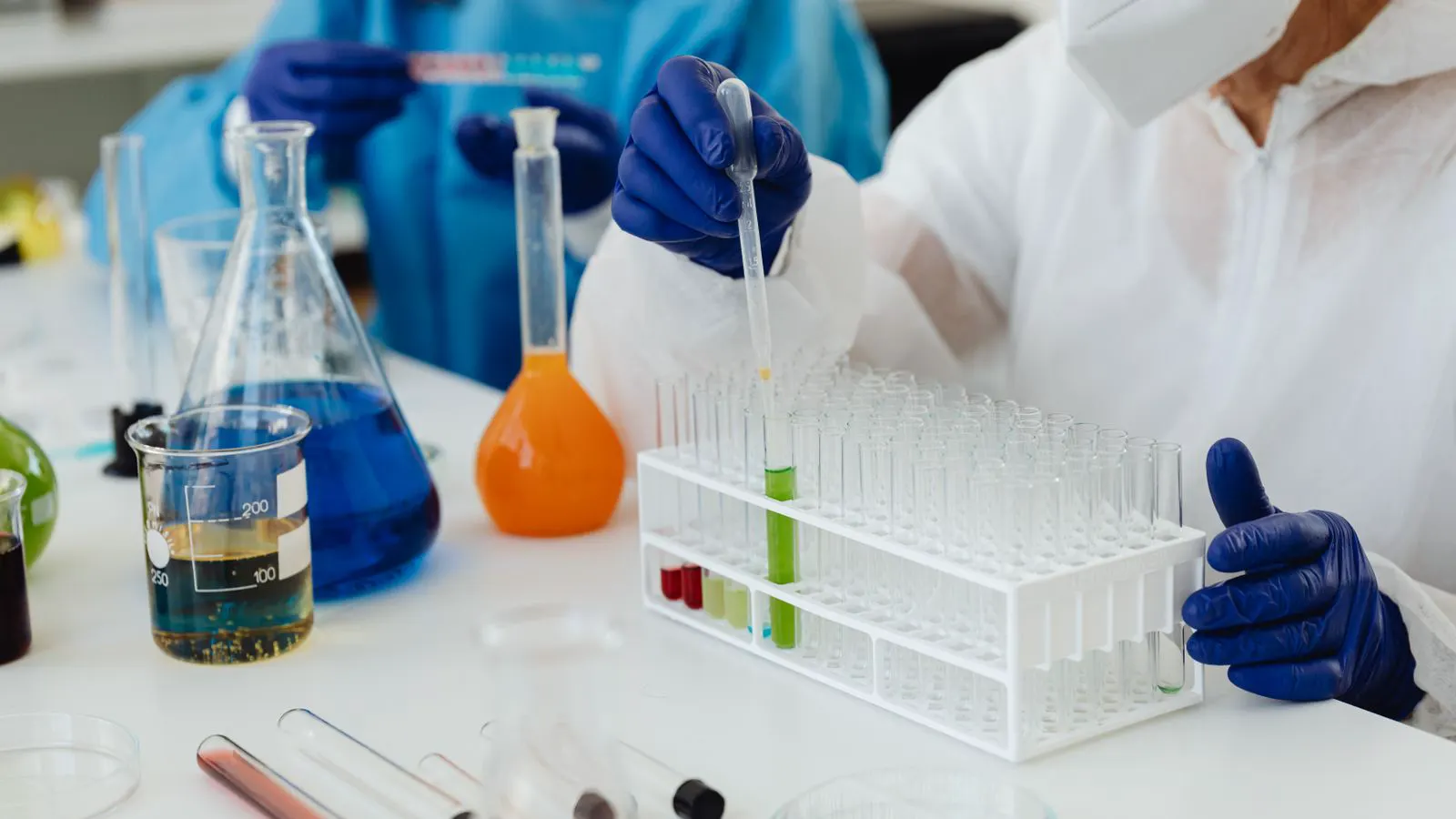
Chemical resistance in porcelain tile depends on low water absorption, dense glazes, and body composition. Buyers must match tile grades to specific acid, alkali, and

This guide explains how to evaluate ceramic tile wear resistance using lab methods. It covers sample preparation, scratch testing, and the dumbbell test, providing clear
This guide explains how water absorption ratings determine the durability of ceramic and porcelain tiles. It breaks down how to match absorption grades to specific
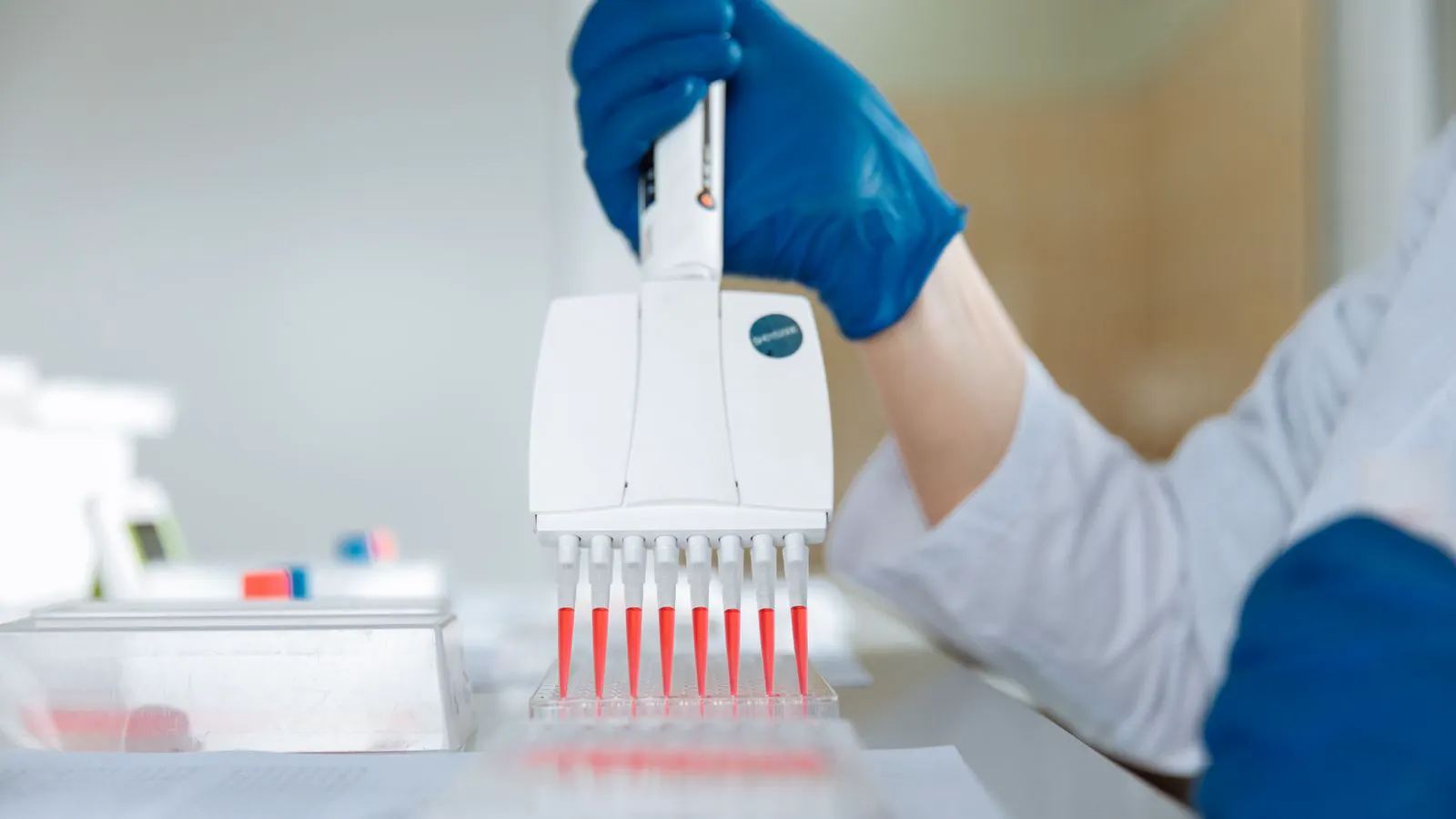
Buyers should prepare for stricter chemical limits, digital traceability, and expanded testing scope. These changes affect sourcing, logistics, and project timelines.