Porcelain Tile Procurement Checklist: Verifying Quality and Compliance
A tile procurement checklist helps buyers verify physical quality, regulatory compliance, and import documentation before accepting porcelain shipments. This guide

Practical guides on body types, glaze options, and performance for porcelain tiles in commercial and residential projects.

A tile procurement checklist helps buyers verify physical quality, regulatory compliance, and import documentation before accepting porcelain shipments. This guide
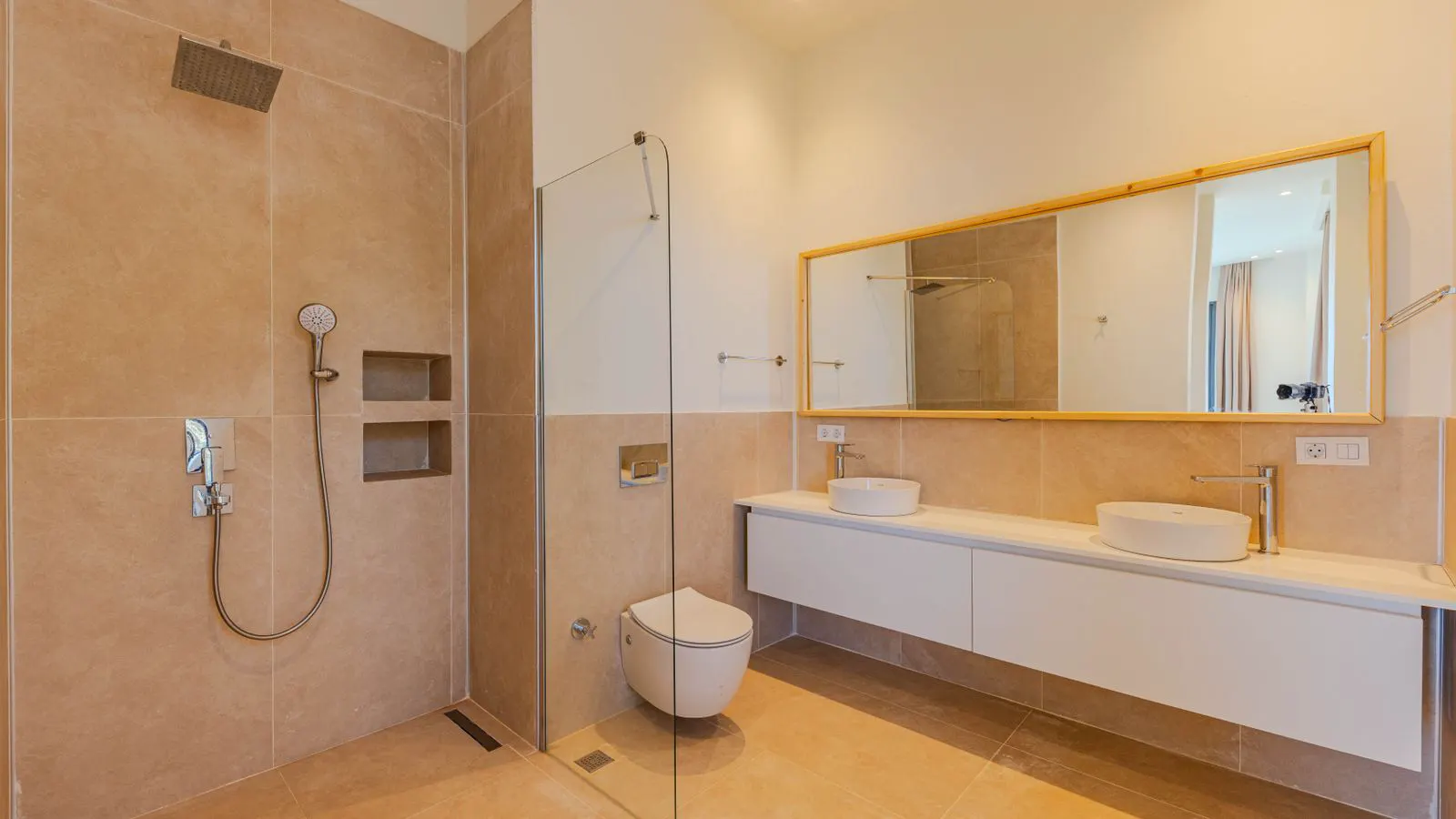
Porcelain glaze options define the surface texture and safety profile of a tile. Matte finishes hide wear, gloss finishes enhance color, and anti-slip options improve

Porcelain tile cracks usually stem from substrate movement, weak mortar, or thermal stress. Identify the specific failure point before repairing. Professional tile

Specify large format porcelain by verifying substrate flatness, selecting the right body type, and detailing joint sizes, movement joints, and edge protection. This

Porcelain delivery windows depend on factory production cycles, port congestion, and freight routing. A clear RFQ and realistic procurement planning help estimate tile

Commercial porcelain uses a denser body and harder surface than residential porcelain. It resists abrasion and water absorption better. Residential porcelain prioritizes

Dense porcelain resists stress and wear better for heavy foot and vehicle traffic. Compact porcelain offers a lighter body with lower cost but less margin for structural