
Large-Format Slabs
Troubleshooting: Preventing Slab Edge Chipping During Handling
Slab edge chipping starts with weak corners, improper support, or sharp contact points. This guide covers common symptoms, causes, and fixes for tile handling damage.
Technical guidance on selecting, handling, and installing large-format slabs to reduce joints and manage transport risks.
Slab edge chipping starts with weak corners, improper support, or sharp contact points. This guide covers common symptoms, causes, and fixes for tile handling damage.

Porcelain slabs offer higher density and water resistance, making them ideal for exterior and high-traffic commercial spaces. Ceramic slabs provide a softer aesthetic

Slab import costs and tile lead times depend on origin, shipping mode, customs, and handling. A clear RFQ and standardized quote comparison reveal true logistics costs.

Selecting large slabs for high traffic zones requires evaluating slip resistance, edge strength, substrate flatness, and installation methods. This guide outlines the

Oversize ceramic slabs are moving toward larger dimensions and higher structural performance. Buyers should plan for improved edge durability, tighter tolerances, and

Large slabs reduce the number of visible grout lines because each piece covers more floor area. Fewer joints mean less visual noise, simpler maintenance, and a more

Cracked slab edges usually result from point loading, improper storage, or thermal stress. This guide covers how to identify the damage, repair small chips, and prevent

A proper slab handling checklist verifies storage racks, lifting gear, and site conditions before installation. This step-by-step audit prevents breakage, protects
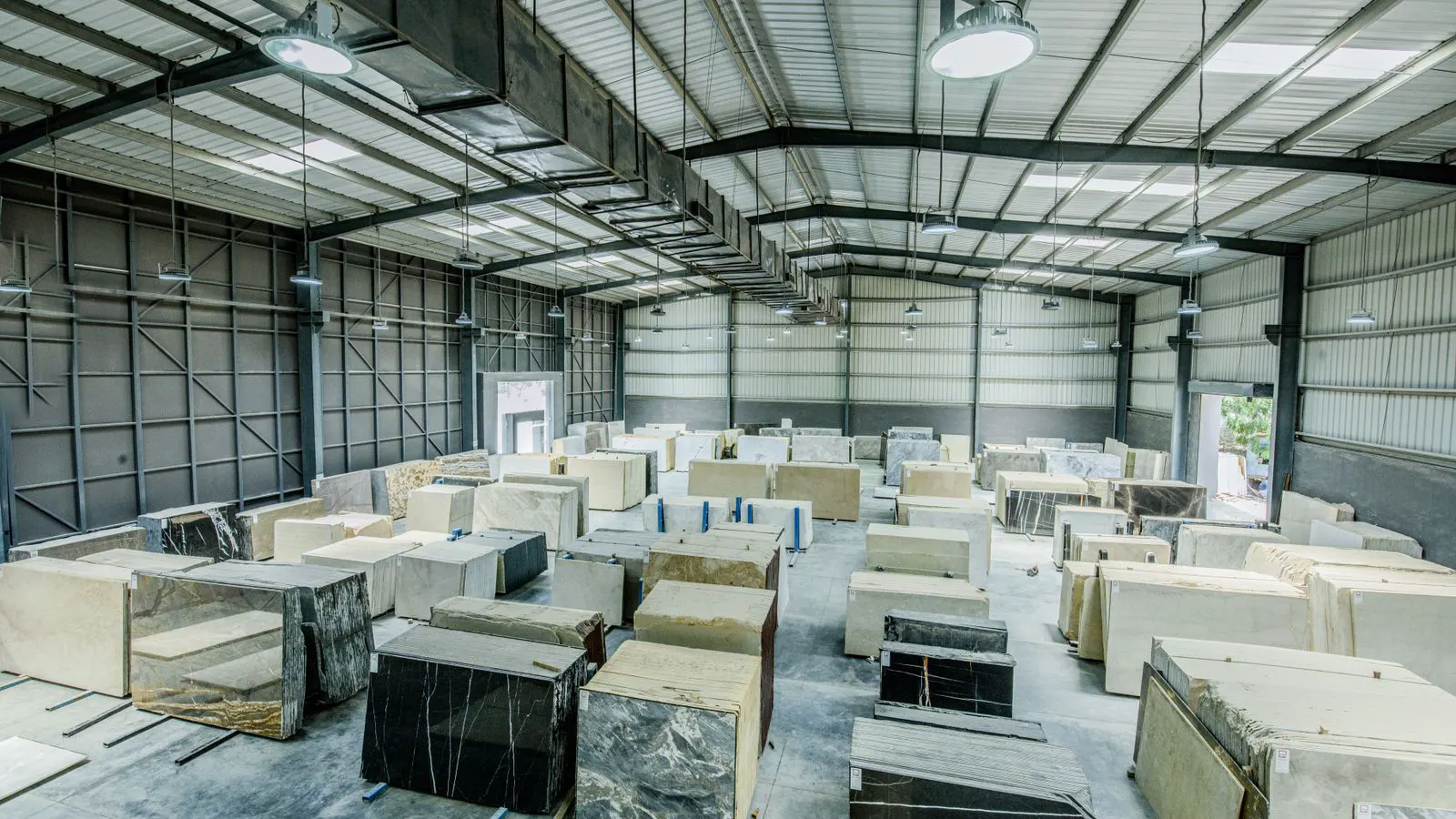
A large format slab layout plan reduces offcuts by mapping room dimensions, accounting for borders, and aligning cuts. Proper planning minimizes material loss and