Comparison: Water Absorption vs Porosity in Tile Selection
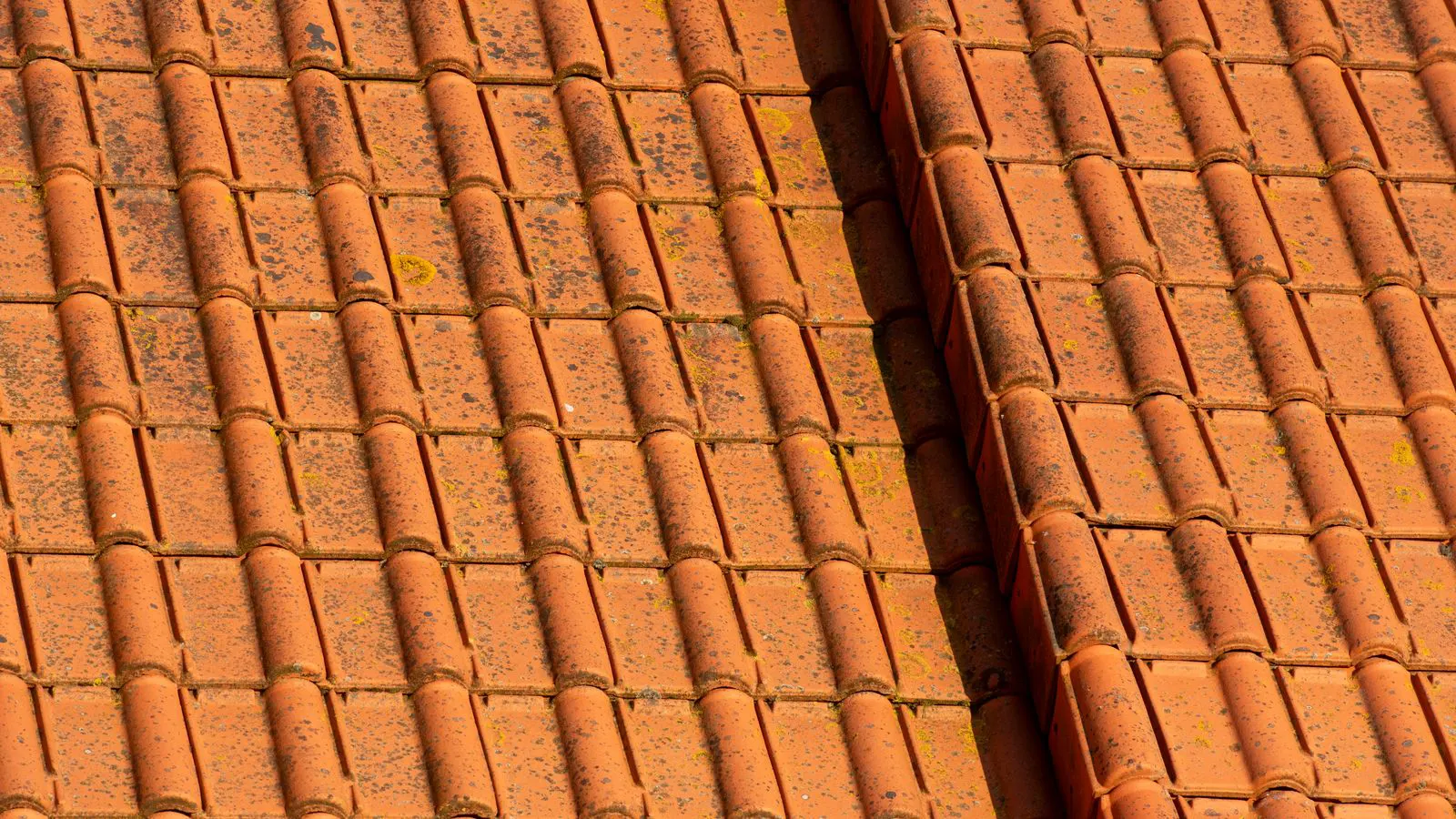
Water absorption measures liquid uptake, while porosity describes open space in the material. Selecting by water absorption ensures consistent performance. Porosity affects appearance and handling. Use both values for accurate specification.
- Water absorption is measured in percent by weight, while porosity is measured as volume percentage.
- Porcelain tiles show low water absorption, making them suitable for wet areas.
- Ceramic tiles show higher absorption, which can influence appearance and maintenance.
- Always check both values when specifying tiles for commercial or residential projects.
- Test data from the same batch helps avoid surprises during installation.
Why two numbers describe the same surface?
Tile buyers often see two values on a datasheet and assume they are interchangeable. They are not. Water absorption and porosity both relate to how much space exists inside a fired material, but they measure different things. One tells you how much liquid a tile can take in. The other tells you how much open volume sits within the body.
This distinction matters when you are specifying a slab, a wall panel, or a floor finish. A tile with low porosity may still absorb water if the open paths are connected to the surface. A tile with high porosity may hold very little water if its pores are sealed or closed. You need both numbers to understand the material.
What is water absorption in practice?
Water absorption is the mass of water a dry tile can take up over a defined period, divided by the mass of the dry tile, then multiplied by one hundred. The result is a percentage. Testers condition the tile, dry it, immerse it, and weigh it again. The difference is the water mass.
This value tells you how the tile will behave when exposed to moisture. High absorption means the tile can hold more liquid. That can change the look of the surface after it dries. It can also affect how the tile bonds to a mortar bed in some systems.
In most tile categories, water absorption falls into broad groups. Porcelain tiles usually sit near the bottom of the scale. Ceramic tiles sit higher. Terracotta and natural stone products can sit even higher. The exact number depends on the clay body, the firing temperature, and the glaze.
What is porosity and why it differs?
Porosity measures the volume of open spaces inside the material. It is usually reported as a percentage of the total volume. It includes pores, voids, and microchannels. The key difference is that porosity is a volume measure. Water absorption is a mass measure.
A tile can have open pores that are very small. Those pores may not allow much water to enter. Another tile can have larger, connected channels that take up more liquid even if the total open volume is similar. The shape, size, and connectivity of the pores matter.
This is why two tiles can look identical and still perform differently. One may have a dense body with a few surface pores. The other may have a more open body with many closed pores. The water absorption value captures the connected space. The porosity value captures the total space.
Comparison of water absorption and porosity values
The table below shows how the two terms differ in common tile types. Use it when you are reading a datasheet and need to decide which number to prioritize.
| Option | Best for | Limitations |
|---|---|---|
| Water absorption | Checking liquid uptake, wet-area suitability, and surface behavior | Does not tell you about total open volume or closed pores |
| Porosity | Understanding material structure, density, and long-term stability | Does not show how much water the tile actually takes in |
| Both values together | Full material assessment for specification and QA | Requires consistent test data from the same batch |
| Glaze coverage data | Assessing surface protection and stain resistance | Does not replace body absorption or porosity values |
| Density data | Comparing structural strength and handling behavior | Does not directly indicate water uptake or pore structure |
When you see a tile with a low water absorption value but a high porosity value, ask about the pore structure. The open space may be closed off from the surface. When you see a high absorption value with a low porosity value, check the test method and the glaze. A thin glaze over a dense body can still allow some uptake.
How to use these values in purchasing decisions
Start with the application. For floors in wet areas, such as kitchens, bathrooms, and commercial kitchens, look for low water absorption. This reduces the chance of surface staining and helps the tile stay stable after repeated wetting and drying.
For wall applications, the tolerance can be wider. A ceramic tile with moderate absorption may work well if the wall is not constantly exposed to water. The glaze and the substrate also matter. A well-prepared wall surface can limit how much moisture reaches the tile body.
For exterior or exposed applications, you need both low absorption and low porosity. Rain, freeze-thaw cycles, and UV exposure can move water into the body and cause damage over time. A tile that looks good in a showroom may not hold up if the open structure is too high.
When comparing suppliers, ask for test reports from the same production batch. A supplier can provide a general range, but the actual tiles you receive may vary. A consistent batch gives you a reliable reference. If the report is from an older batch, treat it as a starting point, not a guarantee.
Common mistakes in tile selection
One common mistake is reading only the absorption value and ignoring porosity. This works for many interior projects, but it can cause problems in wet or exterior work. A second mistake is assuming that a glaze makes the body irrelevant. The glaze protects the surface, but it does not change the body structure underneath.
A third mistake is comparing values from different test methods. Some reports follow one standard, others follow another. The numbers may look similar but mean slightly different things. Ask which method was used and whether the tile was conditioned before testing.
A fourth mistake is looking at a single sample. Tile production can shift between batches. A sample that passes may not represent the full shipment. Request a test report and inspect a few tiles from the actual delivery.
When to pick each option
Pick water absorption as the primary number when the main risk is liquid uptake. This covers most floors, wet rooms, and food service areas. It tells you how much the tile will take in and how the surface may change after wetting.
Pick porosity as the primary number when the main risk is structural instability or long-term decay. This covers exterior tiles, tiles in freeze-thaw zones, and tiles in high-humidity environments where moisture stays for long periods.
Pick both when the application is critical or the material is unfamiliar. A new ceramic body, a recycled-content tile, or a low-fire product may have unusual pore structure. Using both values helps you see the full picture.
Pick density data when you are comparing structural strength. A dense tile with low porosity is usually harder to break and easier to handle. A low-density tile may be lighter but more prone to chipping at edges.
Pick glaze coverage data when stain resistance is the main concern. A full-coverage glaze protects the body from liquids and acids. A partial glaze or a textured surface may be more decorative but less protective.
How to verify the data you receive
Ask the supplier for a test report that includes the test method, the batch number, and the date. Check that the values are reported in the correct units. Water absorption should be in percent by weight. Porosity should be in percent by volume.
If a supplier gives you a range, ask why. A wide range can mean inconsistent production or a mix of different bodies. A narrow range suggests controlled firing and consistent materials. If the range is too wide for your project, ask for a tighter specification.
For large orders, request a sample from the actual production run. Test a small group of tiles in your own lab if you have the equipment. If you do not, send a sample to an independent lab. This gives you a real reference point.
Keep the test report with the purchase file. If there is a problem later, you can compare the delivered tiles to the reported values. This step protects you in disputes and helps you adjust the specification for future orders.
Quick reference for tile selection
Use water absorption for most interior and wet-area decisions. Use porosity for exterior, freeze-thaw, and high-humidity decisions. Use both for critical or unfamiliar materials. Always check the test method and the batch. A single value is often enough, but two values give you a safer answer.
Frequently asked questions
Can a tile have low porosity but high water absorption?
Yes. If the pores are connected to the surface and allow liquid in, the tile can absorb water even if the total open volume is low. The shape and connectivity of the pores matter.
Which value matters more for bathroom floors?
Water absorption matters more for bathroom floors because it shows how much liquid the tile takes in. Low absorption helps prevent staining and keeps the surface stable.
Do I need porosity data for a standard kitchen wall?
Usually not. For a standard kitchen wall, water absorption and glaze coverage are enough. Check porosity only if the wall is in a damp area or the tile will be exposed to moisture for long periods.
How do I compare values from different suppliers?
Ask for the test method and the batch number. If the methods differ, the numbers may not be directly comparable. Use the same standard when possible.
Does a glaze remove the need to check body absorption?
No. A glaze protects the surface, but the body underneath still matters. If the glaze is thin or damaged, the body can take in water. Check the body values too.