Explainer: Slip Resistance Testing for Porcelain Wall Tiles
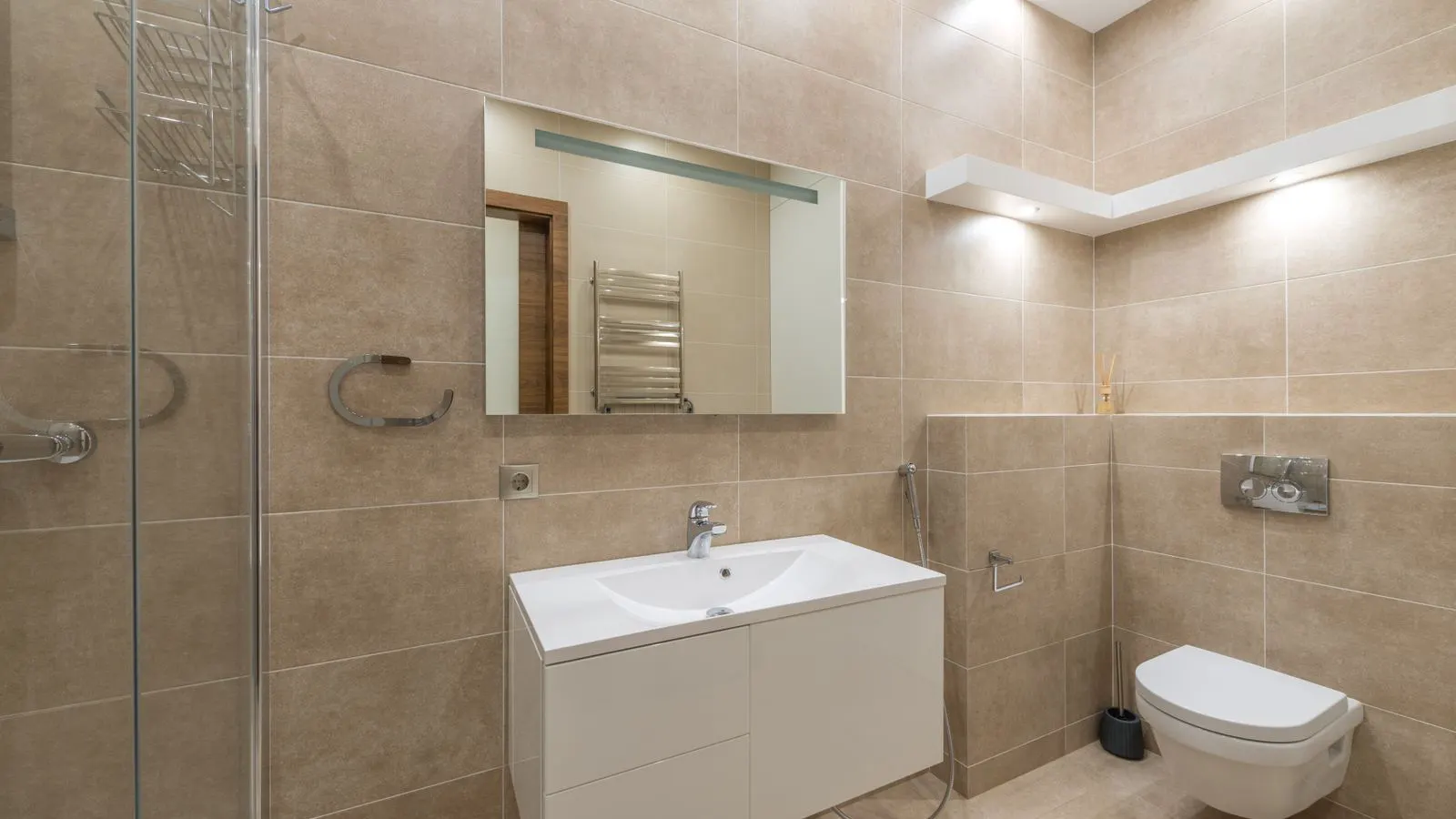
Wall tile slip resistance is tested by simulating a person sliding on the surface while it is wet. The test measures the coefficient of friction, a number that determines if a tile meets safety standards for bathrooms and wet zones.
- Wall tile slip resistance is assessed using standardized tests that measure how well the surface grips a simulated foot.
- The coefficient of friction is the primary metric used to verify safety in wet areas like bathrooms and kitchens.
- Sourcing decisions should prioritize documented test results to ensure the tile meets specific safety requirements for the intended environment.
- Surface texture and glaze finish significantly affect slip performance, so visual inspection is not enough to guarantee safety.
- Professional buyers must verify that test reports align with the specific standards required for their project.
Why Wall Tiles Need Slip Testing
Porcelain wall tiles are often selected for their smooth, durable finish. In dry conditions, a smooth surface looks clean and easy to clean. But in a bathroom or a commercial kitchen, the tile face becomes wet. Water changes how a foot interacts with the surface.
A smooth glaze that looks beautiful can become slippery when wet. If a person steps on the tile with a wet foot, the lack of grip can cause a fall. To prevent this, manufacturers and buyers use standardized tests to measure how well the tile resists sliding. This process is known as slip resistance testing.
The goal is not to make the tile rough to the touch. The goal is to maintain a safe level of grip under wet conditions. This is why wall tile slip resistance testing is a standard part of the procurement process for any project involving wet areas.
How EN 16037 Testing Works
The most common method for testing this performance is the EN 16037 standard. This test simulates a person trying to slide across the tile surface. A test machine applies a force to a foot simulator. The simulator has a sole made of a specific material, often rubber, and it is placed on the tile.
The machine pushes the simulator across the wet tile surface. The test measures the force required to move the simulator. This measurement is converted into a coefficient of friction, or COF. The COF is a number that represents the friction between the foot and the tile.
There are two main variations of the test, often referred to as V1 and V2. V1 uses a foot simulator with a specific shape and force profile. V2 uses a different shape and force profile to account for different types of footwear or body mechanics. The choice between V1 and V2 depends on the specific application and the local regulations for the project.
In a typical test, the tile is prepared and wetted. The simulator is placed on the surface. The machine pushes, and the resistance is recorded. If the resistance is high, the slip resistance is high. If the resistance is low, the tile is more likely to cause a slip.
Understanding the Coefficient of Friction
The coefficient of friction is the key number in any slip resistance report. It is a value that indicates how much the surfaces resist sliding against each other. A higher COF means more grip. A lower COF means less grip.
For wall tiles used in wet areas, a specific minimum COF is often required. These thresholds are set to ensure a margin of safety. If a tile fails to reach the required COF, it is not suitable for that specific wet area application.
The COF is not the only factor. The test also considers the condition of the tile. A tile that is dirty, oily, or covered in soap residue will perform differently than a clean tile. Test results should be viewed in the context of the expected maintenance and cleaning routine for the space.
| Test Parameter | Description |
|---|---|
| Surface Texture | The physical roughness or smoothness of the glaze. |
| Wet Condition | The presence of water on the tile face. |
| Force Profile | The pattern of pressure applied by the foot simulator. |
| COF Value | The calculated friction number from the test. |
| Pass/Fail | Whether the COF meets the project standard. |
Sourcing Decisions Based on Test Results
When sourcing porcelain wall tiles, buyers should request test reports from the manufacturer. These reports should specify the standard used, the test conditions, and the resulting COF values. A document showing that the tile passed a specific test is a critical part of the procurement checklist.
Buyers must match the test results to the intended use. A tile that passes for a dry hallway may not pass for a wet shower stall. The difference in the required COF can be significant. Reviewing the test data helps avoid costly replacements or safety issues after installation.
Surface finish is a major driver of slip resistance. Matte and textured finishes generally offer higher COF than glossy finishes. However, a glossy tile with a specific slip-resistant glaze can perform well. The key is to rely on the test data, not just the visual appearance of the finish.
Practical Example of a Sourcing Decision
Imagine a project for a public restroom in a commercial building. The specification requires wall tiles for the wet areas. The buyer reviews two options. Option A is a glossy porcelain tile with a smooth finish. Option B is a matte porcelain tile with a subtle texture.
The buyer requests the slip resistance test reports for both options. The report for Option A shows a low COF when tested under wet conditions. The report for Option B shows a COF that meets the required threshold for the wet area. The buyer selects Option B.
This decision is based on the test data, not the preference for a glossy look. The buyer ensures that the tile will provide the necessary safety in the environment where it will be used. This process protects the end user and reduces the risk of liability for the project owner.
Common Mistakes in Slip Resistance Sourcing
One common mistake is relying on visual inspection. A tile that looks smooth may still have a high COF if the glaze is formulated for slip resistance. Conversely, a tile that looks rough may have a low COF if the texture is not deep enough. Visual checks are not a substitute for standardized testing.
Another mistake is ignoring the difference between dry and wet performance. A tile that performs well in a dry environment may be dangerous when wet. Buyers must ensure that the test reports specifically address the wet conditions expected in the project.
Finally, buyers should be aware that test results are specific to the sample tested. Manufacturing batches can vary. It is a best practice to test samples from the actual production batch before approving the full delivery. This ensures that the installed tiles perform as expected.
Conclusion for Professional Buyers
Slip resistance testing is a standard part of specifying wall tiles for wet areas. The EN 16037 test provides a reliable measure of the coefficient of friction. By reviewing test reports and matching them to project requirements, buyers can make informed sourcing decisions.
This process is straightforward but requires attention to detail. The goal is to select tiles that are both aesthetically pleasing and safe to use. When the test data is available and understood, the decision becomes clear.
Frequently asked questions
Does a matte finish always mean higher slip resistance than a glossy finish?
Generally, matte and textured surfaces offer more grip than glossy surfaces. However, the specific glaze formulation and surface texture determine the actual performance, so test results are the only way to be certain.
What is the difference between V1 and V2 in EN 16037 testing?
V1 and V2 refer to different foot simulator shapes and force profiles used in the test. The choice depends on the specific application and local regulations for the project.
Can I rely on the manufacturer's catalog to determine slip resistance?
No. Catalogs may list general properties, but you need the specific test report for the product and batch. The report shows the exact COF values and the conditions under which the test was performed.
How often should slip resistance be tested on installed tiles?
Installed tiles should be checked during the project inspection to ensure they match the approved samples. Regular maintenance and cleaning are also important to keep the surface in the condition tested during the original evaluation.
What happens if a tile fails the slip resistance test for a wet area?
The tile is not suitable for that specific application. It may be rejected by the client or inspector, and it would need to be replaced with a product that meets the required safety standards.