Buyers Guide: Selecting Reliable Suppliers for Commercial Tile
This guide outlines the practical criteria for selecting a reliable commercial tile supplier. It covers factory audits, sample approval, logistics planning, and contract terms to help buyers reduce risk and ensure project delivery.
- Verify factory capabilities and quality systems before placing large orders.
- Align sample approvals with bulk production lines to avoid visual mismatch.
- Build buffer stock into lead times to protect critical path schedules.
- Use clear contract terms covering penalties, replacements, and warranty support.
Why Supplier Selection Fails on Commercial Tile Projects
Commercial tile procurement often fails because buyers choose suppliers based on unit price rather than delivery reliability and technical support. A low-cost supplier with weak logistics planning can delay a fit-out by weeks. The cost of that delay usually exceeds the savings on the tile itself.
In commercial environments, tile selection interacts with floor preparation, subfloor flatness, and installation methods. A supplier who understands these variables helps the buyer avoid costly on-site decisions. The goal is not simply to find a cheap source of tile. It is to secure a partner who can maintain consistent quality across multiple production lots.
Most buyers face the same tension. They need enough supply to complete the project on schedule, but they cannot overstock without tying up cash. They need quality control, but they lack the time to inspect every pallet. A structured supplier selection process turns this tension into a manageable risk.
Factory Capability and Quality Systems
Start with the manufacturing site. Request a factory audit report or arrange a site visit if the project value justifies the travel. Look for a dedicated quality control team separate from the production floor. The QC team should have the authority to reject batches before packaging.
Check the production lines. Porcelain and ceramic tiles use different firing temperatures and glaze application methods. A supplier should be able to explain the specific process for the tile you are specifying. Ask about batch tracking. Each pallet should carry a code linking it to the firing batch and the date of production.
Quality systems matter for large projects. If a supplier follows recognized standards for quality management, you gain a framework for consistent output. Ask for documentation of recent internal audits. Look for records of corrective actions when defects are found. A supplier who documents fixes shows a culture of continuous improvement.
Do not skip the glaze and body checks. Glaze thickness affects wear resistance. Body density affects water absorption. These are not just technical details. They determine how the tile performs in high-traffic zones. If the supplier cannot provide test reports for the specific tile line, ask why.
Sample Approval and Bulk Consistency
The gap between sample approval and bulk production is where most commercial projects go wrong. A sample may look perfect, but the first pallet of bulk tile can show a color shift or a pattern variation that is unacceptable for a retail floor.
Require sample approval from a production run, not just a pre-production prototype. Ask the supplier to send samples from the same kiln and glaze batch that will produce the bulk order. This reduces the risk of mismatch. The sample should be labeled with the batch code.
Create a written acceptance standard. Define what you will accept. Specify color variation limits, pattern alignment requirements, and surface finish tolerances. A vague standard leads to disputes. A clear standard protects both parties. The supplier needs to know what you expect before they start firing the kiln.
Keep a sample library. Store approved samples in a controlled environment. Do not leave them in direct sunlight or damp areas. When the first bulk pallet arrives, compare it against the stored sample. If the match is poor, reject it before it enters the site. Do not let the contractor start installation with a questionable batch.
Logistics, Packaging, and Lead Times
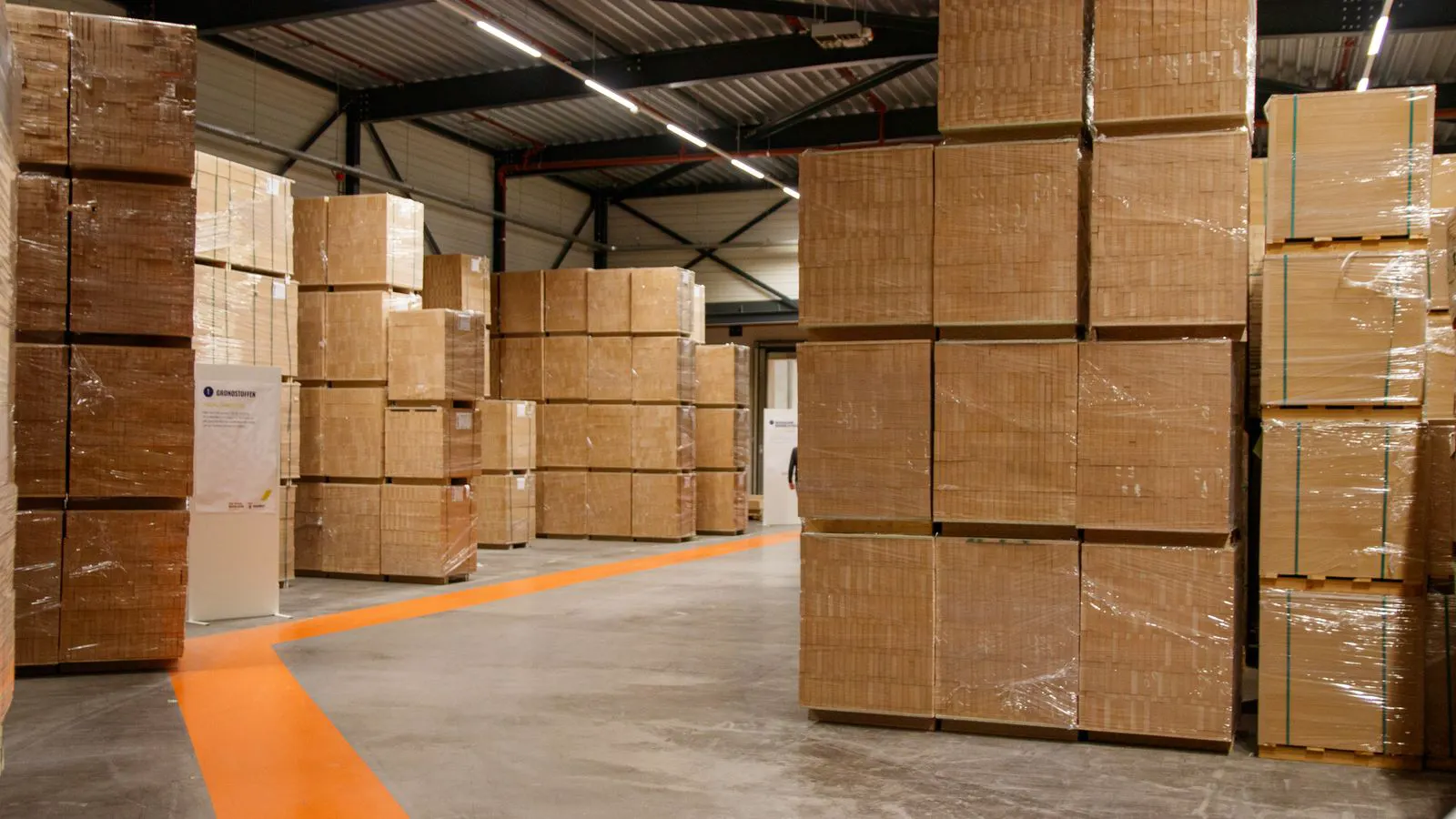
Logistics is a major part of supplier reliability. A tile that is excellent in the factory is useless if it arrives chipped or late. Evaluate the supplier’s packaging methods. Pallets should be wrapped in shrink film or protective paper. Edges should be protected. Crates must be strong enough to survive a long haul.
Ask about their transport network. Do they have a dedicated fleet or do they rely on third-party carriers? Third-party carriers can introduce delays. A supplier with a direct logistics team usually has better control over schedules. Ask about their contingency plans. What happens if a container is stuck at a port or a truck breaks down?
Lead times are often underestimated. Kiln firing, glazing, drying, and quality checks take time. Large orders may require multiple kiln cycles. Add buffer to the quoted lead time. A two-week buffer can save a project schedule. If the supplier offers expedited shipping, understand the cost and the service level.
Plan for storage. Commercial tiles are heavy. You need a covered, dry storage area at the site. If the supplier offers consignment or phased delivery, use it. Phased delivery aligns with the installation schedule and reduces site storage needs. It also improves cash flow.
Commercial Procurement and Contract Terms
Procurement terms protect the buyer. The contract should define the scope clearly. List the exact tile model, color, finish, and dimensions. Include the quantity and the tolerance for variation. State the delivery terms. Use Incoterms if the supply is international.
Penalty clauses are necessary for commercial projects. If the supplier delivers late, the buyer needs a remedy. Late delivery penalties should be fair but enforceable. They should be tied to the project schedule. A supplier who agrees to these terms shows confidence in their delivery capability.
Replacement terms are equally important. What happens if a pallet arrives with defects? The supplier should agree to replace damaged or defective stock at no cost. The replacement should match the original batch where possible. If a batch match is impossible, the buyer should have the right to reject the entire shipment.
Warranty support is part of the commercial relationship. A reliable supplier should provide technical support for the life of the installation. They should offer guidance on installation methods and offer to investigate claims if a defect appears. Ask for their warranty terms in writing. Do not rely on verbal promises.
Vendor Evaluation and Risk Management
Use a structured vendor evaluation process. Score suppliers against a set of criteria. Weight each criterion based on the project’s priorities. A high-traffic retail project may weight durability and lead time higher than a low-traffic office building. A hospital project may weight hygiene and slip resistance higher.
Consider the supplier’s financial stability. A small supplier with high debt may struggle to fund large orders. They may cut corners on quality to meet deadlines. A larger supplier with strong cash flow is less likely to fail. Check their credit rating or ask for references from recent clients.
Diversify your supply if possible. For very large projects, split the order between two suppliers. This reduces the risk of a single point of failure. It also gives you negotiating use. However, managing two suppliers adds complexity. You need to ensure both deliver the same color and finish.
Monitor performance throughout the project. Track delivery dates. Track defect rates. Track communication responsiveness. Use this data to refine your selection process. A supplier who performs well on one project is a strong candidate for the next. A supplier who struggles should be removed from the approved list.
Decision Checklist for Final Selection
Before signing a contract, complete a final decision checklist. This checklist forces you to verify the practical details. It reduces the chance of overlooking a critical risk.
- Verify the factory audit report and quality management documentation.
- Confirm the sample approval includes a batch code from the production run.
- Review the logistics plan and confirm the packaging method.
- Check the contract for late delivery penalties and replacement terms.
- Confirm the supplier’s warranty support and technical guidance.
- Review the supplier’s financial stability and recent client references.
A reliable commercial tile supplier is not just a source of product. It is a partner in the project’s success. The selection process takes time. It requires documentation, site visits, and clear communication. But it pays for itself. A well-chosen supplier delivers tile on time, in good condition, and with the support you need on site.
The buyer’s job is to be specific. Ask for batch codes. Define acceptance standards. Write penalty clauses. Plan for logistics. These steps separate a professional procurement process from a risky guess. The tile on the floor will reflect the choices made in the supplier selection room.
Frequently asked questions
How do I verify if a supplier can handle a large commercial order?
Request a factory audit report and ask for references from recent large projects. Check their production capacity and lead time commitments. A supplier with a proven track record of delivering large volumes is a safer choice.
What is the risk of buying from a supplier with no quality certification?
The risk is higher variation in color, size, and glaze finish. Without a documented quality system, you have less use to reject defective batches. This can lead to delays and extra costs during installation.
Should I buy from multiple suppliers to reduce risk?
For very large projects, splitting the order can reduce supply risk. However, you must ensure both suppliers deliver the same tile model and finish. Managing two suppliers adds complexity and requires careful coordination.
What happens if the bulk tile does not match the approved sample?
Reject the shipment before it enters the site. The contract should state that the buyer has the right to reject non-conforming stock. The supplier must replace the defective batch or provide a refund.
How long should I add to the quoted lead time?
Add a buffer of at least two weeks to the supplier's quoted lead time. This accounts for kiln scheduling, transport delays, and quality checks. A buffer protects your project schedule from unexpected issues.