Estimating Landed Cost: Duty, Freight, and Insurance
To estimate landed cost, add the factory price, freight, insurance, duty, and local taxes to the invoice total. This method removes guesswork from import budgets and ensures accurate project pricing.
- Landed cost equals the factory price plus freight, insurance, duty, and destination charges.
- Duty rates depend on the product description and the destination country customs rules.
- Compare quotes using the same Incoterm basis before evaluating freight and insurance costs.
- Add a contingency buffer for currency swings and unexpected port delays.
Why the Invoice Price Is Not the Final Cost
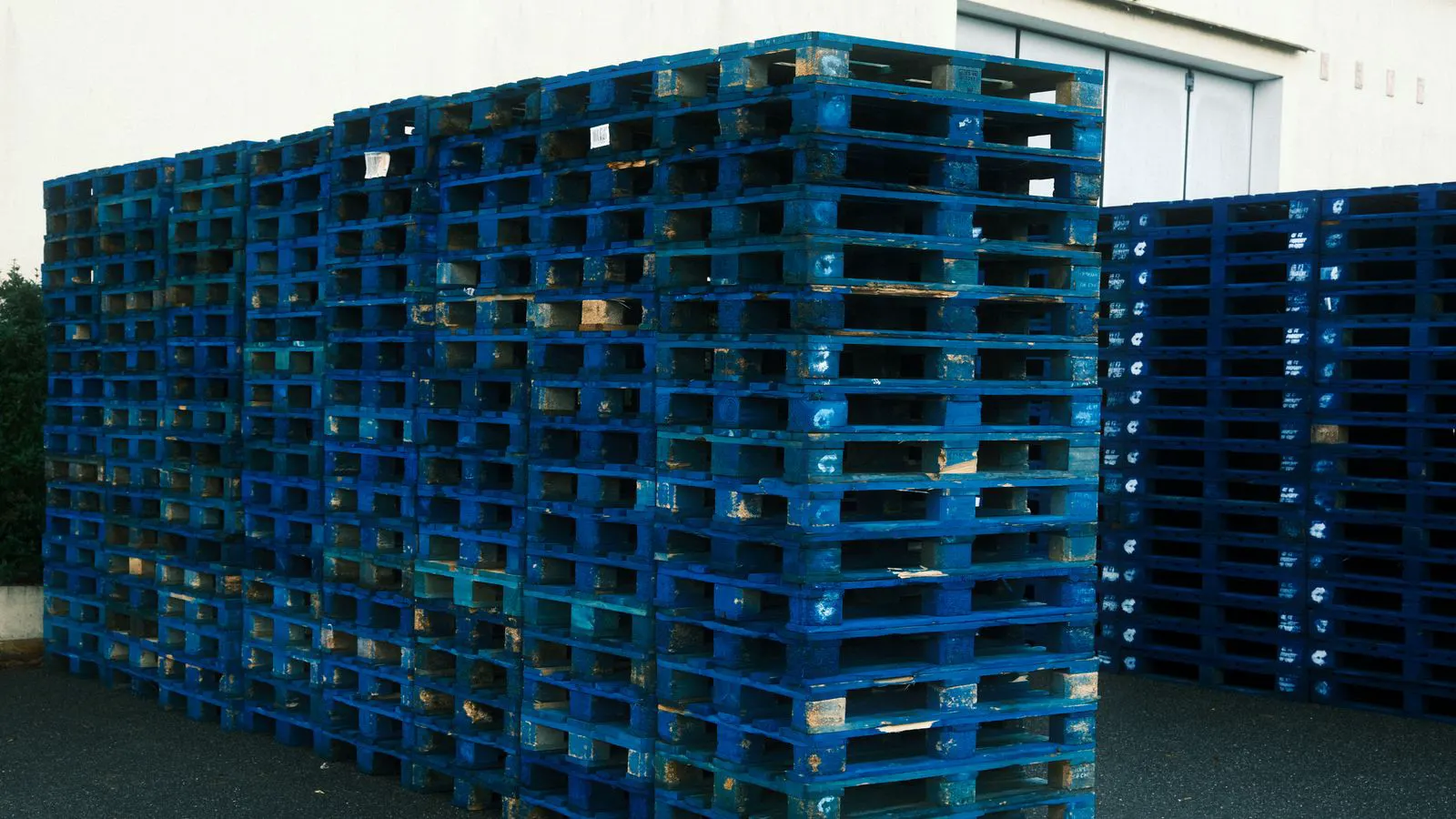
The factory price on an invoice covers the tiles, the glaze, and the pallets. It does not cover how the cargo reaches your site. For imported ceramic and porcelain tile, the final cost includes the shipping line, the port handling fees, the insurance premium, and the customs duty. If you price a project using only the unit price, your margin will shrink when the cargo clears.
Professional buyers calculate the landed cost before committing to a long-term supply agreement. This figure drives the bid price. It also sets the break-even point for reordering.
How to Break Down the Total Cost
Start with the CIF value. This is the price of the goods plus insurance plus freight to the destination port. The supplier usually provides a proforma invoice. From there, you add the local import duties and taxes.
The calculation follows a linear path. You take the customs value, apply the duty rate, and add the destination charges. Each step must be documented. If a fee is missing from your budget, it becomes a surprise during the port clearance.
How to Determine the Correct Duty Rate
Duty rates are set by national customs authorities. The rate depends on the Harmonized System code and the country of origin. For ceramic tiles, the code usually falls under the chapter for ceramic products. The exact rate varies by region.
Check the tariff schedule of your destination country before quoting a client. Some countries apply a standard rate, while others use preferential rates for specific trade agreements. If the tiles are mixed materials or have a special finish, the classification might shift. Ask your freight forwarder to confirm the HS code. A misclassification can lead to penalties or reclassification delays.
How to Compare Quotes on the Same Basis
Suppliers quote under different Incoterms. One quote may be FOB, while another is CIF. Comparing these figures directly creates errors. FOB means the seller delivers to the port of export. CIF means the seller covers the cost, insurance, and freight to the destination port.
When reviewing bids, convert all quotes to a single basis. If you are using a local freight forwarder, ask for the FOB price and add your own freight and insurance estimate. If you are using the supplier’s logistics, take the CIF price and add only the import duties and local fees. This level of comparison reveals which supplier offers the best total value.
How to Manage Freight and Insurance Costs
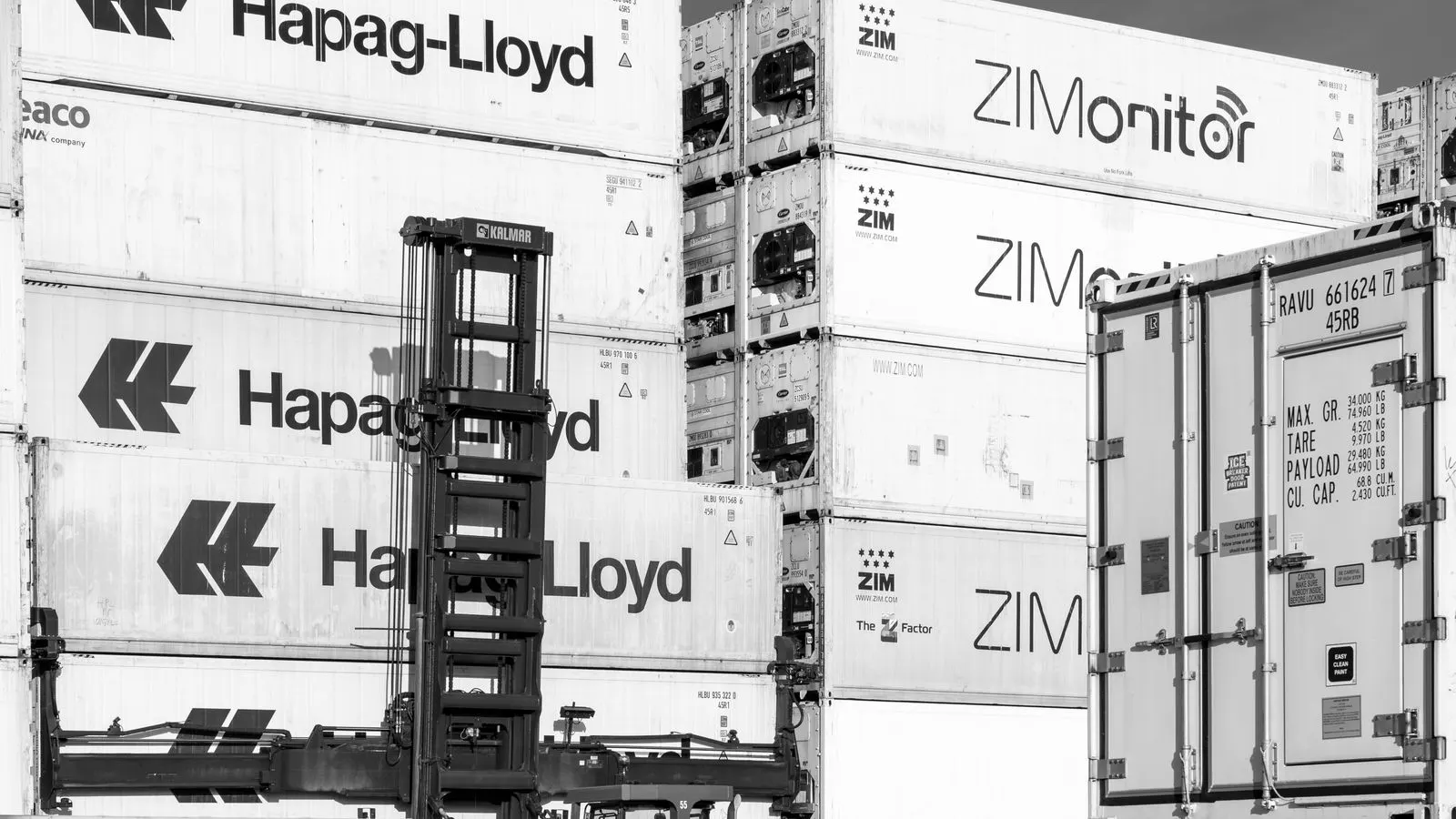
Freight costs depend on the route, the season, and the type of container. Porcelain tiles are heavy. They require 20-foot or 40-foot high-cube containers. The loading pattern affects the number of pallets per container. A tighter load reduces the number of containers needed, which lowers the freight bill.
Insurance covers the cargo from the point of origin to the destination. The premium is a small percentage of the cargo value. It protects against loss or damage during transit. For high-value porcelain, a standard marine insurance policy is standard practice.
How to Account for Destination Charges
Once the cargo arrives at the port, the costs continue. The terminal handles the unloading. The customs broker files the entry. The government collects the duty and the local taxes.
These fees are often fixed per container or per kilogram. They do not appear on the proforma invoice. They appear on the local bill of lading or the customs declaration. Budget for these line items. They vary by port and by the complexity of the documentation.
How to Build a Reliable Cost Model
Use a spreadsheet to track every line item. Column one is the factory price. Column two is the freight. Column three is the insurance. Column four is the duty. Column five is the local taxes. The final row is the total landed cost per square meter.
Update this model when the exchange rate shifts. Currency volatility affects the import cost. If the local currency weakens, the imported tiles become more expensive. A monthly review of the model keeps the pricing current.
How to Handle Currency and Seasonal Fluctuations
Exchange rates move daily. A contract signed in one month may cost more to import three months later. To manage this, specify the currency in the purchase order. If the supplier quotes in a foreign currency, agree on who bears the exchange risk.
Freight rates also change. The peak season for shipping often aligns with the holiday retail period. Rates rise during these months. Plan the container departure dates to avoid the peak. A two-week shift in the shipping date can save significant freight costs.
How to Verify the Final Bill
When the cargo clears, review the final invoice against the budget. Check the duty amount. Confirm the freight charges. Ensure the insurance premium matches the policy. Discrepancies happen. If a fee is too high, ask for a breakdown.
Keep the original proforma invoice, the commercial invoice, the bill of lading, and the customs declaration together. This file supports the cost records. It is useful for audits and for future supplier negotiations.
How to Reduce the Landed Cost
Lowering the landed cost requires action at the source. Negotiate the factory price based on volume. Confirm the HS code to avoid higher duty rates. Use a consolidated shipment to spread the freight cost over more pallets.
Consider the packaging. A standard pallet is easier to stack. It reduces the risk of damage. Less damage means fewer claims and lower replacement costs. These savings improve the net margin.
How to Document the Cost for Future Projects
Save the final landed cost for each project. Record the duty rate used. Note the freight rate per container. Keep the exchange rate at the time of purchase.
This data builds a historical database. When you bid the next project, you do not start from zero. You use the last known cost as a baseline. Adjust for any changes in the tariff schedule or the shipping market.
| Cost Driver | Description | Impact on Landed Cost |
|---|---|---|
| Factory Price | Unit cost of tiles and pallets | Direct cost per square meter |
| Freight | Shipping line charge to destination port | High for heavy, dense cargo |
| Insurance | Marine cargo insurance premium | Small percentage of value |
| Duty | Customs tax based on HS code | Varies by country and product |
| Local Taxes | VAT or GST on the imported value | Adds to the total cost |
| Port Fees | Terminal handling and storage charges | Fixed per container or pallet |
How to Prepare for the Next Import
Before you book the next container, review the last landed cost. Check the current duty rate. Get a freight quote for the current route. Update the insurance premium.
This step takes one hour. It prevents a budget overrun. It ensures the project price covers the true cost of the tile.
1. Confirm the Incoterm in the Contract
The contract must state the Incoterm. Do not assume. If the quote is FOB, you pay for the freight. If it is CIF, the supplier pays for the freight.
2. Verify the HS Code
Ask your customs broker to confirm the code. The code determines the duty rate. A wrong code leads to a higher rate.
3. Get a Freight Quote
Use a freight forwarder to get a quote. Include the port of discharge. Include the delivery to the site.
4. Add the Insurance Premium
Calculate the premium based on the cargo value. Add it to the total.
5. Apply the Duty Rate
Multiply the customs value by the duty rate. Add the result to the total.
6. Add Local Taxes
Add the local VAT or GST. Check if there is a threshold. Some small imports are exempt.
7. Add Port and Handling Fees
Include the terminal charges. Include the customs broker fee.
8. Calculate the Cost per Square Meter
Divide the total landed cost by the total area of the tiles. This is your true unit price.
How to Handle Changes in the Tariff Schedule
Tariff schedules change. New products get new codes. Rates adjust. Monitor the changes. Your freight forwarder can alert you to updates. If a rate changes, update the cost model immediately.
Do not assume the rate stays the same. A small change in the rate can affect a large order. Review the schedule before every import.
How to Manage the Documentation
The documentation is the key to a smooth import. The commercial invoice, the bill of lading, the packing list, and the certificate of origin must match. A mismatch delays the clearance.
Keep a digital copy of all documents. Scan the physical copies. Store them in a shared drive. This file supports the cost records. It is useful for audits.
How to Negotiate with the Supplier
Use the landed cost in negotiations. Show the supplier the total cost. Ask for a lower factory price to offset the freight. Offer to share the logistics cost.
A cooperative supplier may offer a better rate. They want a long-term contract. Show them the value of a steady supply.
How to Monitor the Market
Keep an eye on the shipping market. Rates change. Monitor the exchange rate. Keep the cost model updated.
This discipline protects the margin. It ensures the project is profitable. It reduces the risk of loss.
How to Close the Deal
Finalize the cost model. Confirm the duty rate. Get the freight quote. Add the insurance. Add the local taxes. Add the port fees.
This is the landed cost. Use this number for the bid. Do not use the factory price. Use the landed cost.
The landed cost is the true cost of the tile. It includes all the fees. It reflects the real market conditions.
Use this method for every import. It builds a reliable cost base. It supports accurate pricing. It protects the margin.
The process is simple. It requires attention to detail. It requires documentation. It requires a clear understanding of the fees.
Follow the checklist. Update the model. Verify the bill.
This is how you estimate the landed cost. It is the only way to know the true cost.
How to Handle Damaged Tiles
If tiles arrive damaged, the insurance claim covers the loss. But the claim process takes time. The damage also delays the project.
Prevent damage with good packaging. Use the correct pallets. Use the correct strapping. Use the correct container loading pattern.
A damaged tile is a cost. It is a delay. It is a risk.
Avoid it.
How to Plan for Storage
The tiles arrive at the site. They need storage. The storage cost is part of the landed cost.
Budget for the storage. If the site is ready, the tiles move to the floor. If the site is not ready, the tiles sit in a warehouse.
The storage cost adds to the total.
Plan the delivery date. Match the delivery to the construction schedule.
This reduces the storage cost. It reduces the risk of damage.
How to Finalize the Budget
The landed cost is the final figure. Use it for the budget. Do not add a guess. Use the calculated number.
Review the budget monthly. Update the cost model.
This is the method. It is practical. It is clear.
Use it.
How to Improve the Process
Review the process after each import. Find the errors. Fix them.
If the duty rate was wrong, check the HS code. If the freight was high, change the route. If the storage was long, change the delivery date.
This continuous improvement lowers the cost.
It raises the margin.
It builds a better process.
How to Stay Compliant
Follow the customs rules. Keep the documents accurate. Pay the duty on time.
Compliance prevents penalties. It prevents delays.
It keeps the process smooth.
How to Build a Relationship
Work with a reliable freight forwarder. Work with a reliable customs broker.
A good partner helps you avoid mistakes. They provide the quotes. They file the documents. They handle the clearance.
This partnership reduces the risk.
It saves time.
It lowers the stress.
How to End
The landed cost is the total cost of the import. It includes the factory price, the freight, the insurance, the duty, the taxes, and the fees.
Calculate it. Use it.
Do not guess.
Use the data.
The data is clear.
The cost is clear.
The margin is clear.
Build the project on the clear cost.
Frequently asked questions
What is the first step in calculating landed cost?
The first step is to identify the Incoterm used in the quote. This determines who pays for the freight and insurance.
How do I find the correct duty rate?
Check the tariff schedule of your destination country. Confirm the HS code with your customs broker to ensure the correct rate applies.
Can I compare FOB and CIF quotes directly?
No. Convert them to the same basis. Add freight and insurance to the FOB quote or subtract them from the CIF quote to compare fairly.
Why do freight costs vary?
Freight costs depend on the route, the season, and the type of container. Peak seasons and heavy cargo increase the rate.
What happens if the duty rate changes?
Update the cost model immediately. A change in the rate affects the total landed cost and the project margin.