Cost and Lead Time for Custom Ceramic Tile Orders

Custom tile cost varies based on dimensions, finishes, and production complexity. Longer lead times usually reflect higher labor and material holding costs. A clear RFQ with sample approvals and quantity details helps you compare supplier quotes fairly.
- Custom tile cost rises with non-standard sizes, complex finishes, and small batch sizes because production setups and material waste increase.
- Lead time impacts total project cost through material holding, labor scheduling, and potential rush fees.
- A structured RFQ that includes approved samples, quantities, and installation details reduces the risk of pricing errors and delays.
- Comparing quotes requires normalizing for freight, packaging, and sample fees to reveal the true cost of each supplier.
- Early communication of deadlines and site conditions helps suppliers allocate production capacity more accurately.
What Drives Custom Tile Cost
The price of custom ceramic tile rarely follows a simple square meter rate. When you request a non-standard format, a special glaze, or a hand-applied finish, the supplier must adjust its production process. Each adjustment adds labor, extends machine time, or increases material waste.
Size is the first cost factor. A standard 600x600 or 1000x1000 tile moves quickly through a press line. A 450x900 or an irregular freeform shape requires retooling. The supplier may need to adjust the press bed, change the glaze application pattern, or run a separate firing cycle. These adjustments slow the line and increase the cost per unit.
Finish complexity adds another layer. Matte and gloss finishes are common and inexpensive to produce. Textured, pebbled, or high-relief finishes require thicker glaze applications and longer kiln times. Hand-painted or artisanal finishes shift the cost structure entirely from automated production to skilled labor. If the pattern repeats across the batch, the cost per unit drops. If each piece is unique, the cost rises sharply.
Quantity also moves the price. Small batches, such as 50 to 200 pieces, carry a higher per-unit cost because the setup fee is spread over fewer items. As quantity increases, the fixed setup cost becomes a smaller fraction of the total, lowering the unit price. This is why suppliers often ask for a minimum order quantity. It is not arbitrary. It reflects the time and material needed to prepare the line.
How Lead Time Affects Pricing
Lead time is more than a delivery date. It shapes the financial structure of the order. A supplier that can deliver in three weeks may charge more than one that can deliver in eight weeks. The difference reflects production slot availability.
When a factory is full, it sells future capacity. That capacity has a value. Rushing a custom order into an existing production schedule creates bottlenecks. The supplier may have to idle other jobs, overtime operators, or hold raw materials longer than planned. These inefficiencies appear in the invoice as premium rates.
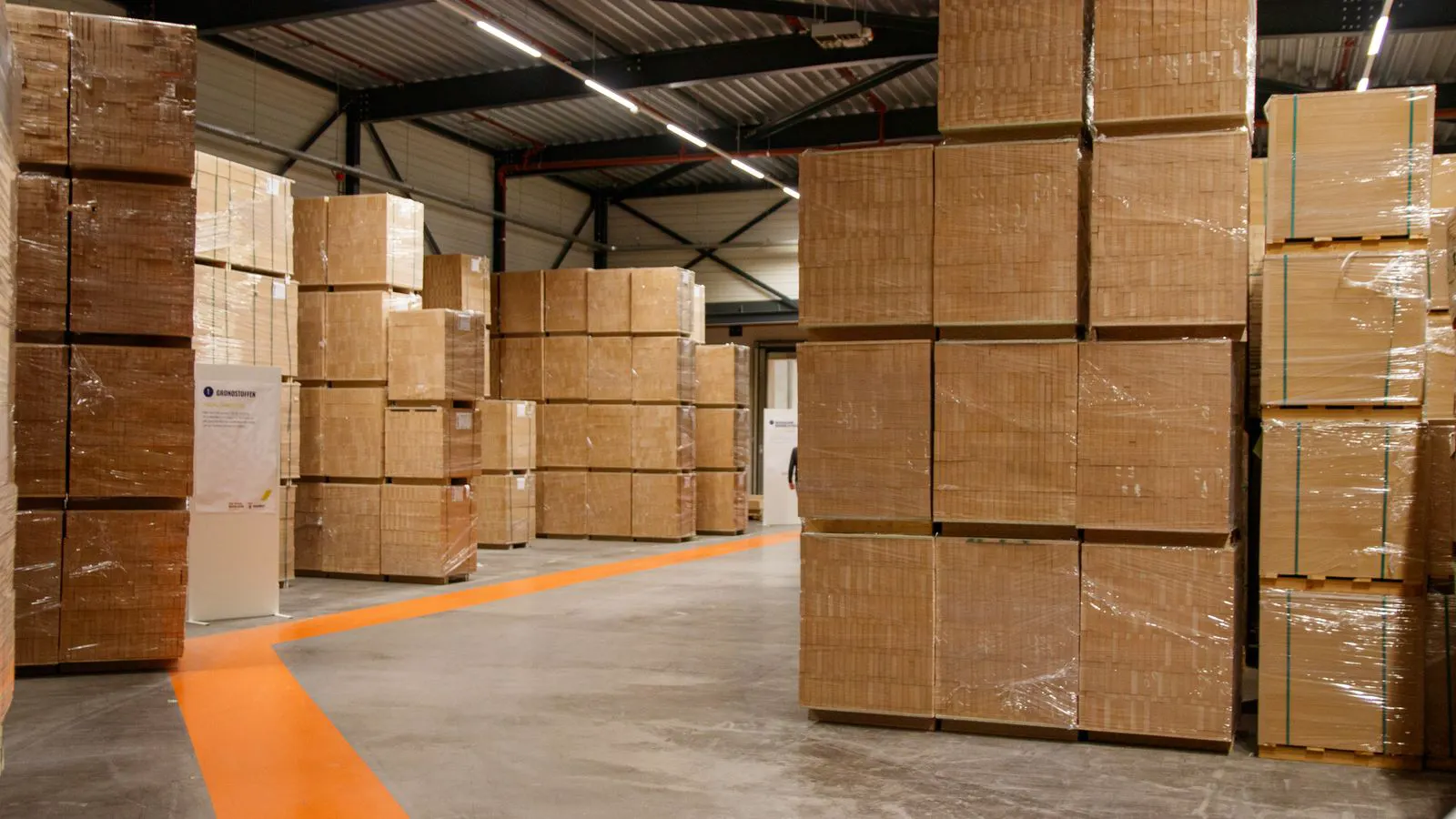
Material holding is another factor. Custom glazes, special clay bodies, or imported pigments may need to be stored until the order is ready. If the supplier buys materials for your order and holds them for two months, that capital is tied up. The price may include a holding fee, or the supplier may build it into the unit cost.
Site conditions also influence lead time. If the project site is not ready, the supplier may need to hold finished goods. Warehousing, insurance, and handling add cost. Some suppliers charge a storage fee after a certain number of days. Others include a limited holding period in the quote but require you to confirm the timeline in writing.
How to Write a Clear RFQ
A vague request produces an inaccurate quote. If you ask for “custom ceramic tiles” without details, the supplier must make assumptions. Those assumptions often become change orders later. A clear RFQ removes ambiguity and gives the supplier a basis to price the job.
Start with the technical specifications. Include the final dimensions, tolerance, thickness, and surface finish. State whether the tile is for interior or exterior use. If the application involves pool, kitchen, or heavy traffic, mention that. The supplier may need a stronger body or a different glaze chemistry.
Include the quantity and the tolerance for that quantity. A small tolerance, such as plus or minus one millimeter, increases sorting and rejection rates. A looser tolerance reduces cost but may complicate installation. State your acceptable variation.
Attach or reference the approved sample. Do not rely on a digital image alone. The sample is the physical standard. If the sample was produced by a lab or a previous supplier, describe how it was made. Specify the glaze type, the clay body, and the firing temperature if you know them. If the sample is a hand-finished prototype, state that clearly. The production method matters.
List the logistics details. Provide the shipping address, the required packaging, and the delivery window. If the project has a strict installation date, state it. If the site is in a hard-to-reach location, note that. The supplier needs to plan the freight.
How to Compare Quotes Fairly
Receiving multiple quotes is useful only if you compare them on the same basis. Two suppliers may look very different on the unit price, but the total cost may be closer once you adjust for freight, packaging, and sample fees.
Normalize the unit price. Convert all quotes to the same unit, such as the square meter or the square foot. If a supplier prices by the piece and another by the area, calculate the area of the tile and divide the total price by that area. This gives you a comparable number.
Add the non-unit costs. Freight, customs, packaging, and sample fees vary between suppliers. A lower unit price with high freight and premium packaging can end up higher than a slightly higher unit price with standard shipping. Build a total cost per square meter for each bid.
Compare the terms, not just the price. Payment terms, lead time, warranty, and rejection handling all have financial value. A supplier that offers net 60 days may be cheaper than one that demands 50 percent upfront. A supplier that accepts a 5 percent rejection allowance may save you money if the batch has defects. A strict lead time with no penalty for delay may protect your project schedule.
Look at the production method. If one supplier uses an automated glaze line and another uses hand application, the cost difference may be justified by finish quality. But it may also reflect a lower volume. Ask how the finish is applied and whether the process is repeatable.
Common Mistakes That Inflate Cost
The most common mistake is late change of scope. If you adjust the size, color, or finish after the sample is approved, the supplier must retool. That retooling costs money and adds time. Freezing the technical specification early protects your budget.
Another mistake is underestimating waste. Custom tiles are harder to cut than standard tiles. If the pattern or the shape makes cutting difficult, the waste factor rises. Calculate the waste based on the installation method, not just the area. A complex layout or a difficult site condition will increase the required quantity.
Rushing the process is the third mistake. If you compress the lead time without adjusting the price, the supplier will absorb the cost. That usually means the final invoice includes a premium you did not plan for. If the deadline is fixed, build the premium into the budget. If the deadline is flexible, take the longer lead time.
Ignoring packaging requirements is the fourth. If the tiles arrive in damaged condition, the replacement cost and the delay cost far exceed the packaging fee. Specify the packaging in the RFQ. For fragile or high-value tiles, ask about edge protection and internal dividers.
Managing the Order to Control Cost and Time
Once the order is placed, the cost and lead time are not fixed. They depend on how the order is managed. Confirm the sample approval in writing. If the sample changes, the price changes. Keep a record of every revision.
Track the production milestones. Ask the supplier to confirm when the clay body is formed, when the glaze is applied, and when the tiles are fired. If a milestone slips, you know early enough to adjust the installation schedule. A missed firing date is easier to manage than a missed installation date.
Coordinate with the site. If the floor is not prepared, the tiles will sit in storage. If the storage is not climate controlled, the glaze may be affected. Confirm the site readiness with the contractor. The supplier can only deliver to a prepared site.
Review the final invoice against the RFQ. Check the quantity, the unit price, and the freight. If there is a discrepancy, resolve it before payment. A small error in the quantity or the unit price can add significant cost to the project.
Final Considerations for Professional Buyers
Custom ceramic tile orders are a balance between specification and schedule. The cost is not a single number. It is a sum of production, logistics, and risk. A professional buyer controls that sum by defining the scope clearly, comparing quotes on a total cost basis, and managing the order from sample to delivery.
The lead time is a financial variable, not just a calendar one. A longer lead time may reduce the unit cost and the risk of damage. A shorter lead time may increase the price but protect the project timeline. Choose the option that fits the project constraints.
A clear RFQ is the foundation. It gives the supplier the information it needs to price the job accurately. It also gives you the basis to compare offers. When the specification is precise, the quote is reliable. When the specification is vague, the quote is a guess.
The goal is not the lowest price. The goal is the lowest total cost for a reliable outcome. That requires attention to the technical details, the financial terms, and the production process. A well-managed custom tile order delivers the specified finish on schedule and within budget.
Frequently asked questions
How does tile size affect custom tile cost?
Non-standard sizes require press retooling and longer machine time. This increases labor and material waste, which raises the unit price.
Can a shorter lead time reduce the cost of a custom tile order?
Generally, no. Rushing production usually adds premium rates for overtime or slot availability. A longer lead time often lowers the unit cost.
What information must be included in a clear RFQ for custom tiles?
A clear RFQ includes final dimensions, finish type, quantity, approved sample reference, shipping details, and the required delivery window.
How should I compare supplier quotes for custom ceramic tile?
Normalize all quotes to the same unit area. Add freight, packaging, and sample fees. Compare total cost per square meter and the payment terms.
What happens if I change the sample after the order is placed?
The supplier must retool and reapply the glaze. This adds cost and extends the lead time. Freezing the sample early prevents these changes.